
Jerusalem · ירושלים
Living in Jerusalem
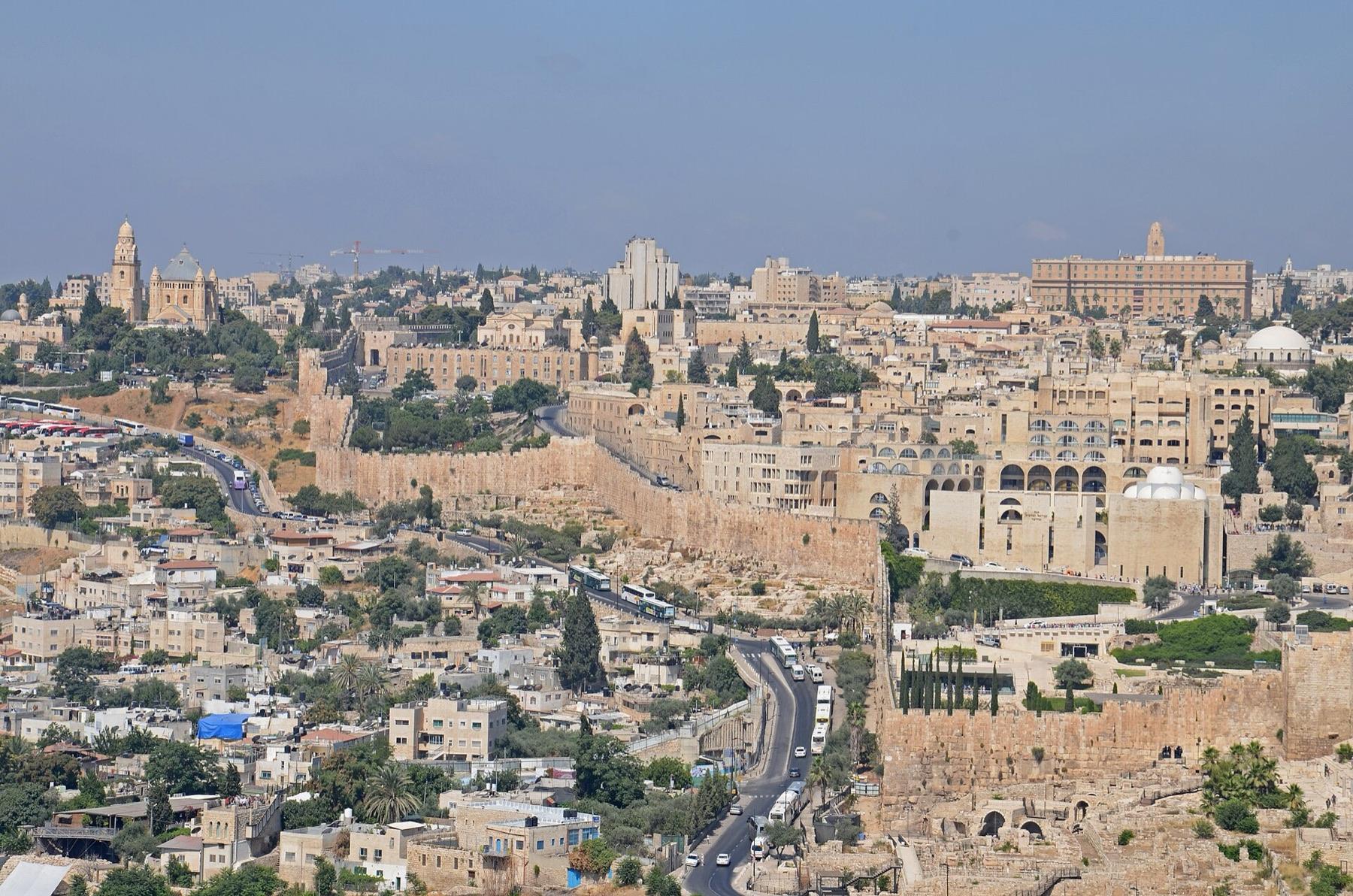
The capital, high in the Judean Mountains: a major city of public-sector jobs, hospitals and universities, with a strong religious life. Worth considering if you are looking for neighborhood life and well-established English-speaking and French-speaking communities.
Photo: Soluvo, CC BY-SA 4.0
Average sale price 3.03 M₪ (Q3 2026, provisional) · average rent 5,410 ₪ per month · Tel Aviv 66 km away · 3 homes available
What people love
- An average price 34% below Tel Aviv's.
- A light rail and three train stations, including the fast line to Tel Aviv and the airport.
- Major hospitals: Hadassah and Shaare Zedek.
- The Hebrew University, Bezalel and Azrieli.
Possible drawbacks
- An average price 33% above the national average.
- Arnona (municipal tax) that can double depending on the zone.
The city
Living in Jerusalem at a glance
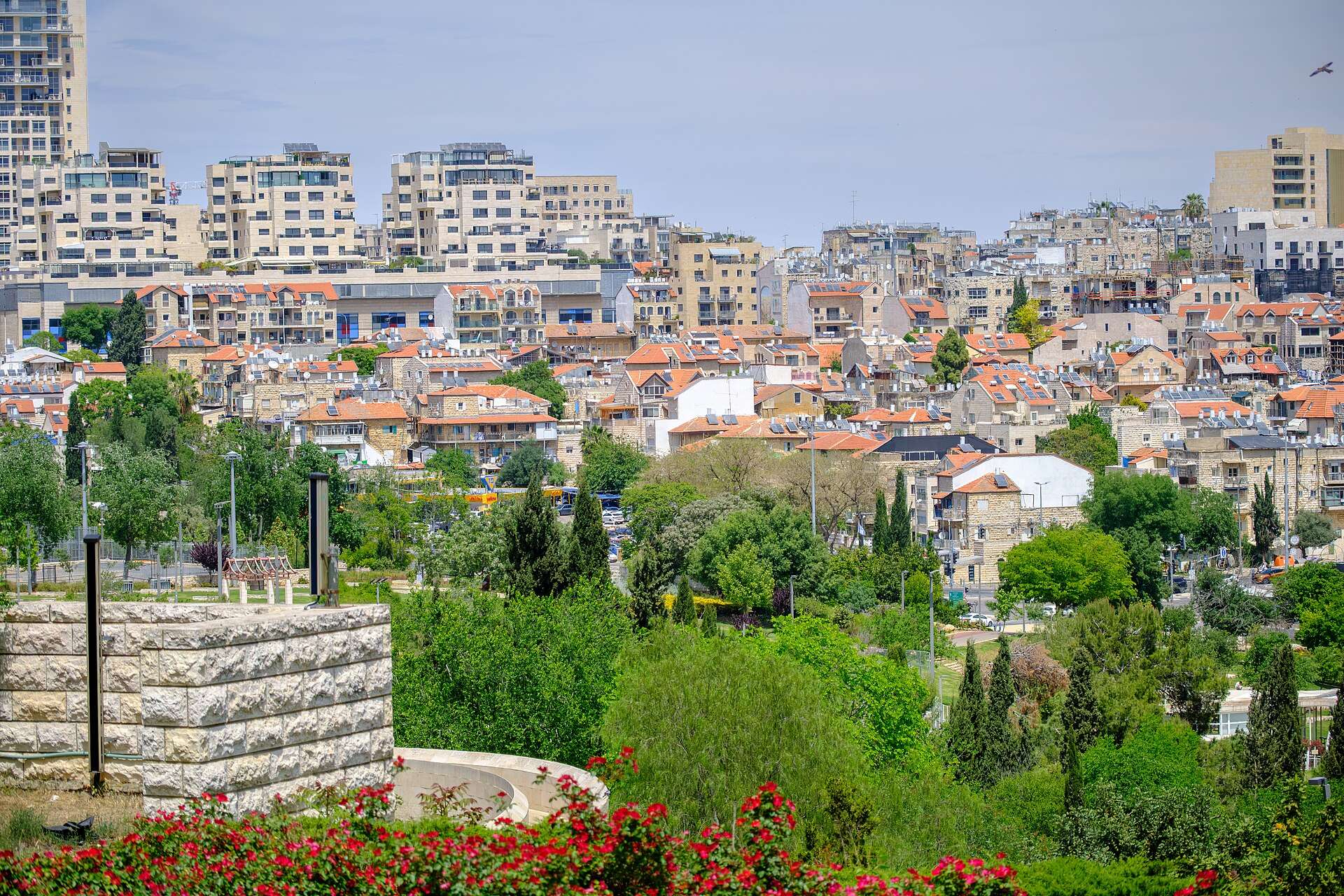
Jerusalem is a city of hills, on a plateau in the Judean Mountains, at about 750 meters above sea level. A rule inherited from the British Mandate requires Jerusalem stone on building facades: the city keeps the same light hue, from the old neighborhoods to recent construction.
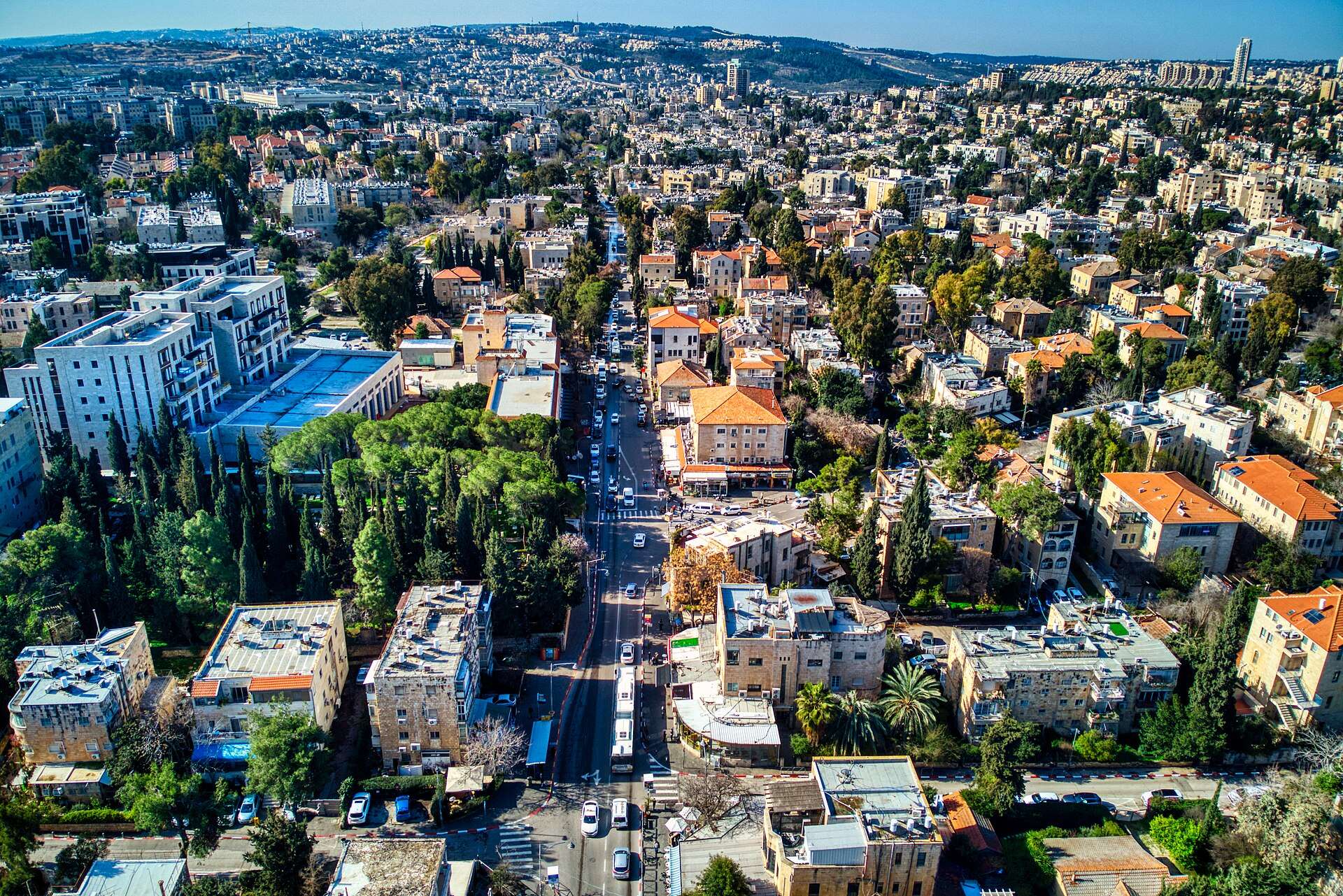
It is a city of neighborhoods, each with its own character. The rhythm of the week follows the religious calendar: Shabbat is clearly felt in much of the city.
Climate
The altitude changes everything compared with the coast. The air is drier than in Tel Aviv or Netanya, and nights stay cool, even in summer.
Winter is genuinely cold for Israel: in January, nights drop to around 6 to 7 °C and days hover around 12 to 13 °C. Plan for real heating. Rain falls mostly from November to March; snow is rare, with a few flakes once or twice a winter.
People and languages
Jerusalem is Israel's largest city: about 1,006,000 residents in the 2022 census. It is a young city, with a median age of 24 and 42% of residents under 20.
The population is very diverse. At the end of 2024, according to the Central Bureau of Statistics, about 40% of the city's Israeli residents were Arab. According to the Jerusalem Institute, the city had about 301,000 ultra-Orthodox Jews in 2023, or about three in ten residents; the other Jewish residents are religious, traditional or secular. English-speaking and French-speaking immigrants are concentrated in a few southern neighborhoods, such as Baka and Katamon. Hebrew remains necessary for administration, work and school.
Economy and jobs
The government is the largest employer: ministries, the Knesset and public agencies are based here. Hospitals, the Hebrew University and tourism also play a big role.
High tech is concentrated in two areas: Har Hotzvim, in the northwest, home to Intel, Teva and Mobileye, and the Malha technology park, in the southwest. In the 2022 census, only 15% of workers worked outside the city: most residents live and work locally.
Getting around
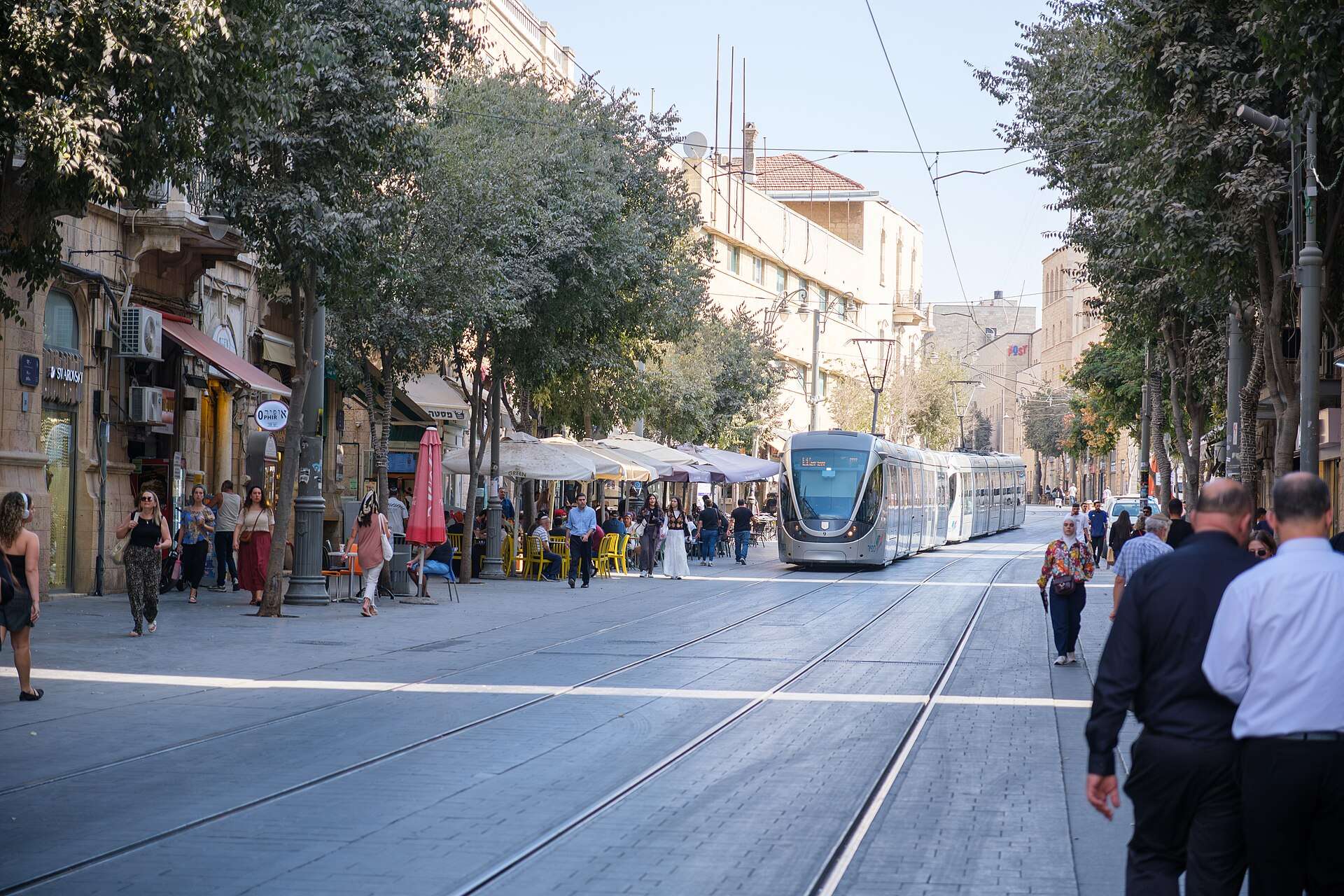
The light rail Red Line connects the north and south of the city through the center. Since August 2026, the Green Line runs from Jaffa Street to Malha, via the Central Bus Station, Yitzhak Navon station, Givat Ram and Teddy Stadium. Yitzhak Navon station, at the entrance to the city, provides access to the fast train to the airport and Tel Aviv. Many residents live without a car: in the 2022 census, 38% of households did not have one. From the center, by road and without traffic:
| Destination | Distance | By car |
|---|---|---|
| Tel Aviv | 66 km | ≈ 60 min |
| Ben Gurion Airport | 51 km | ≈ 50 min |
| Modiin | 33 km | ≈ 30 min |
| Beit Shemesh | 35 km | ≈ 35 min |
| Ashdod | 64 km | ≈ 60 min |
| Netanya | 96 km | ≈ 80 min |
| Haifa | 150 km | ≈ 110 min |
| Beersheba | 85 km | ≈ 85 min |
Theoretical travel times without traffic, calculated with OpenStreetMap on November 15, 2026: at rush hour, expect it to often take considerably longer. Tap a destination for the train or bus route with current schedules.
Daily life
Eating out, shopping, having fun
Restaurants and nightlife
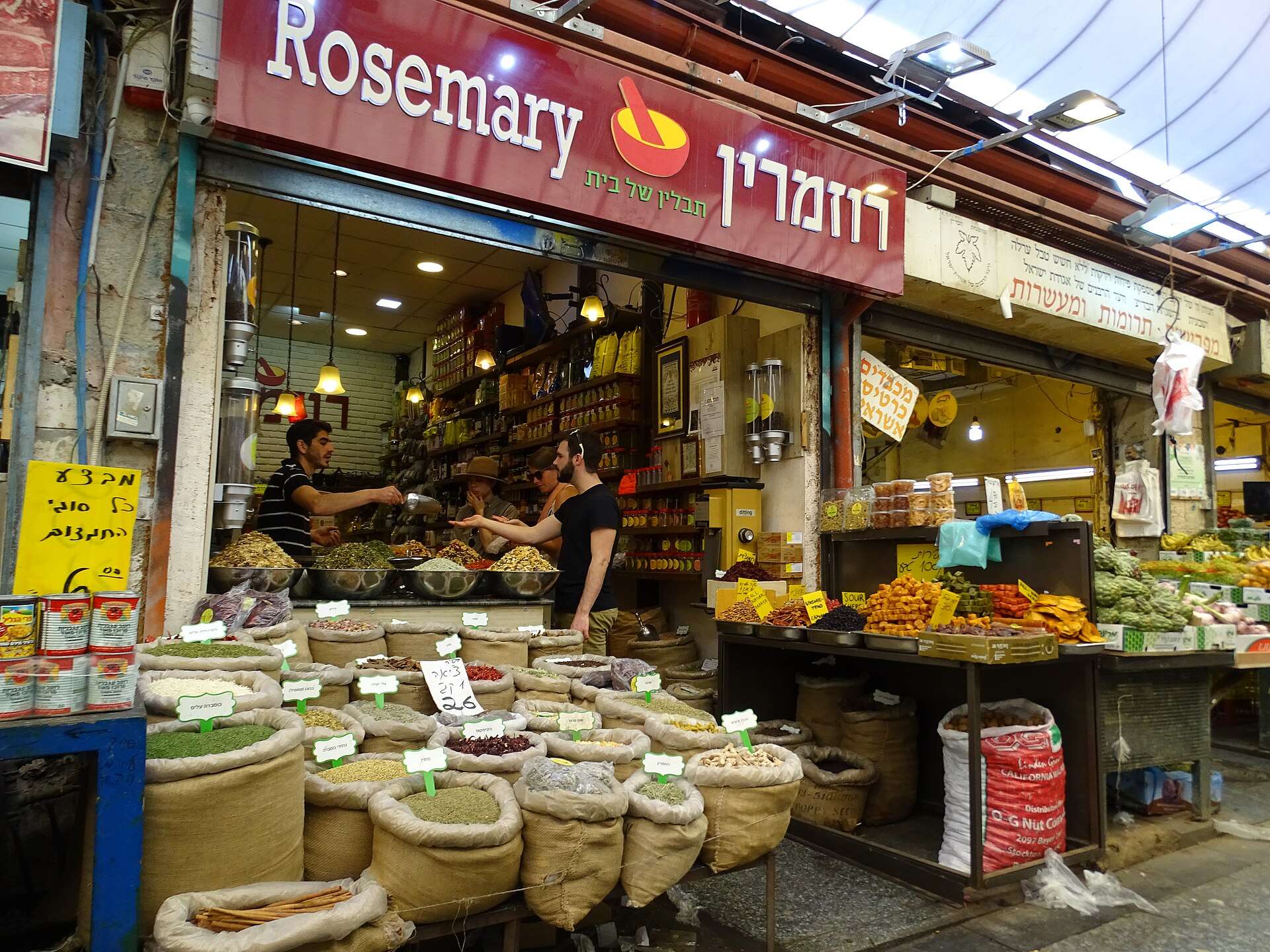
Mahane Yehuda market is the city's food hub: more than 250 vendors by day, bars and restaurants by night. Many of the restaurants are kosher; check the certification according to your standards. The market closes on Friday afternoon, as Shabbat begins.
Shopping
Malha Mall, with about 260 stores, is the largest in the city. Talpiot brings together several shopping centers and the major chains; Mamilla, near Jaffa Gate, is an upscale pedestrian street. Supermarkets and local shops are found in every neighborhood.
Sports and leisure
Jerusalem is a city of museums, starting with the Israel Museum and its Dead Sea Scrolls. The Jerusalem Theatre hosts more than 150 concerts a year, and the Cinematheque screens films year-round. Outdoors: Sacher Park in the center, the Mesila Park, a former railway turned into a walking and bike path, and the Biblical Zoo. Teddy Stadium is home to Beitar and Hapoel Jerusalem.
Healthcare, schools and settling in
The city has three major hospitals: Hadassah Ein Kerem, Hadassah Mount Scopus and Shaare Zedek. For routine care, check that a clinic of your health fund is close to the home. Schools are numerous and very diverse, public, religious or ultra-Orthodox: identify the ones that suit your children before choosing a neighborhood. The municipality and the Ulpans support new immigrants.
Neighborhoods
Where to look in Jerusalem?
Three questions for a first shortlist. What kind of religious life do you want around you? The atmosphere changes a lot from one neighborhood to the next. Older or newer? The historic neighborhoods in the center and south have character; the newer neighborhoods offer new buildings. What do you want within walking distance: the light rail, schools, the synagogue?
Rehavia
Since the 1920s
A garden city in the center, designed by architect Richard Kauffmann.
Daily life. Deliberately narrow streets that keep the neighborhood quiet, and shops along the two main roads that border it. Many academics, doctors and senior civil servants live here; the Prime Minister's residence is located here.
Good to know. In older buildings, check the elevator and parking.
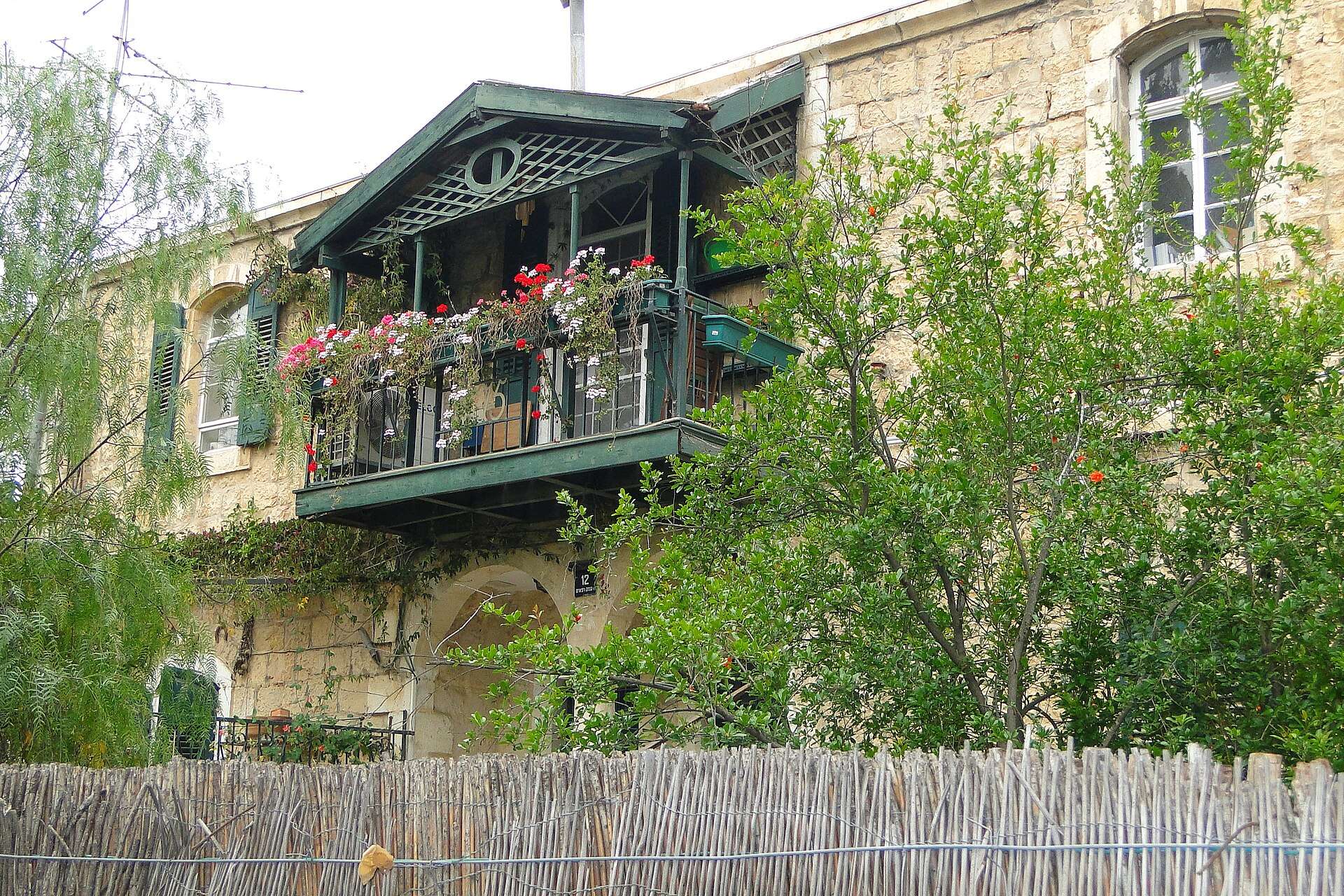
Housing. Mostly apartments in older stone buildings, surrounded by gardens.
Baka
Since the 1920s
A southern neighborhood popular with English-speaking and French-speaking immigrants.
Daily life. Religious and secular residents live side by side. Derech Beit Lehem Street is lined with shops, cafés and restaurants, and the Mesila Park runs alongside the neighborhood.
Good to know. In divided older houses, check the condition of the building, the maintenance fees and parking.
Housing. Large 1920s houses, some divided into upscale apartments, and more recent buildings.
Katamon
Built between 1927 and 1948
A southwestern neighborhood next to Talbiya, with a strong presence of religious Western immigrants.
Daily life. Since the 1980s, Jewish families from Western countries, often religious, have settled here. Further west, the Katamonim offer more modest housing.
Good to know. The neighborhood is changing: new buildings are being built here for ultra-Orthodox families.
Housing. Small stone houses with courtyards in the older part; long apartment blocks in the Katamonim, to the west.
Talpiot
Since 1922
A former garden city in the southeast, now the city's main commercial and business hub.
Daily life. One of the country's largest industrial zones and several shopping centers, next to residential streets. The name Talpiot is often used together with Arnona, the neighboring area.
Good to know. Near the business zone, check noise and traffic. The city plan calls for about 3,500 new homes: find out what will be built around the property.
Housing. Older houses and small buildings in the residential part, new developments on the edge of the business zone.
Arnona
Since 1931
A southern neighborhood, on one of the highest points in the city, at 800 meters.
Daily life. A view of the Judean Desert and the Dead Sea. The U.S. Embassy moved here in 2018.
Good to know. Far from downtown: check the commute to your work and schools.
Housing. The neighborhood's listings give an idea of the homes available.
Har Homa
Since 1997
A recent southern neighborhood, built on stone terraces.
Daily life. Mostly young families looking for more affordable housing. In 2013, there were 12 kindergartens and 5 elementary schools. Buses connect the neighborhood to downtown, the Central Bus Station and Malha.
Good to know. Far from the center: a car or the bus becomes essential. The neighborhood is located beyond the 1967 line; its status is disputed internationally.
Housing. Recent stone buildings.
The listings counted are those whose advertiser specified the neighborhood; others remain visible across the whole city.
Housing
What budget, what kind of home?
In Jerusalem, price depends on the size of the home, but also very much on the neighborhood: compare listings neighborhood by neighborhood. The official averages below describe past sales and rentals; today's listings show the actual current price.
Since the 1990s, every new home must have its own safe room (mamad). In an older building, check during the visit that there is a mamad or a shared shelter: it is a real plus for everyday comfort.
| Size | Purchase | Rent / month |
|---|---|---|
| 1 to 2 rooms | 2.02 M₪≈ 560,000 € | 3,850 ₪≈ 1,070 € |
| 2.5 to 3 rooms | 2.48 M₪≈ 688,000 € | 4,920 ₪≈ 1,360 € |
| 3.5 to 4 rooms | 3.26 M₪≈ 903,000 € | 6,260 ₪≈ 1,730 € |
| 4.5 rooms or more | 4.16 M₪≈ 1,151,000 € | 7,730 ₪≈ 2,140 € |
Sales, Q3 2026, provisional; rents, Q3 2026. For 4.5 rooms or more, the average purchase price shown is for 4.5 to 5 rooms. Euros at the Bank of Israel rate of November 27, 2026, for guidance only.
Also budget for Arnona (municipal tax): for 100 m², from 390 to 1,080 ₪ per month depending on the zone. Purchase costs (purchase tax, lawyer, broker if any) can be worked out with our cost simulator.
Today in Jerusalem: 0 property for sale, 0 rental and 3 new developments. By purchase budget:
Planning a move to Jerusalem?
Describe what you're looking for: our French-speaking team will get back to you and also search beyond the listings. Free, with no commitment.
Figures come from official or identified sources and from listings published on Alloj Immobilier; when information is missing, we say so rather than estimate it. The advice is from our editorial team. Page updated November 27, 2026. Sources and credits