
Center (Sharon) · נתניה
Living in Netanya
A seaside city between Tel Aviv and Haifa, with two train stations. Worth considering if you want the sea and a French-speaking community, for less than in Tel Aviv.
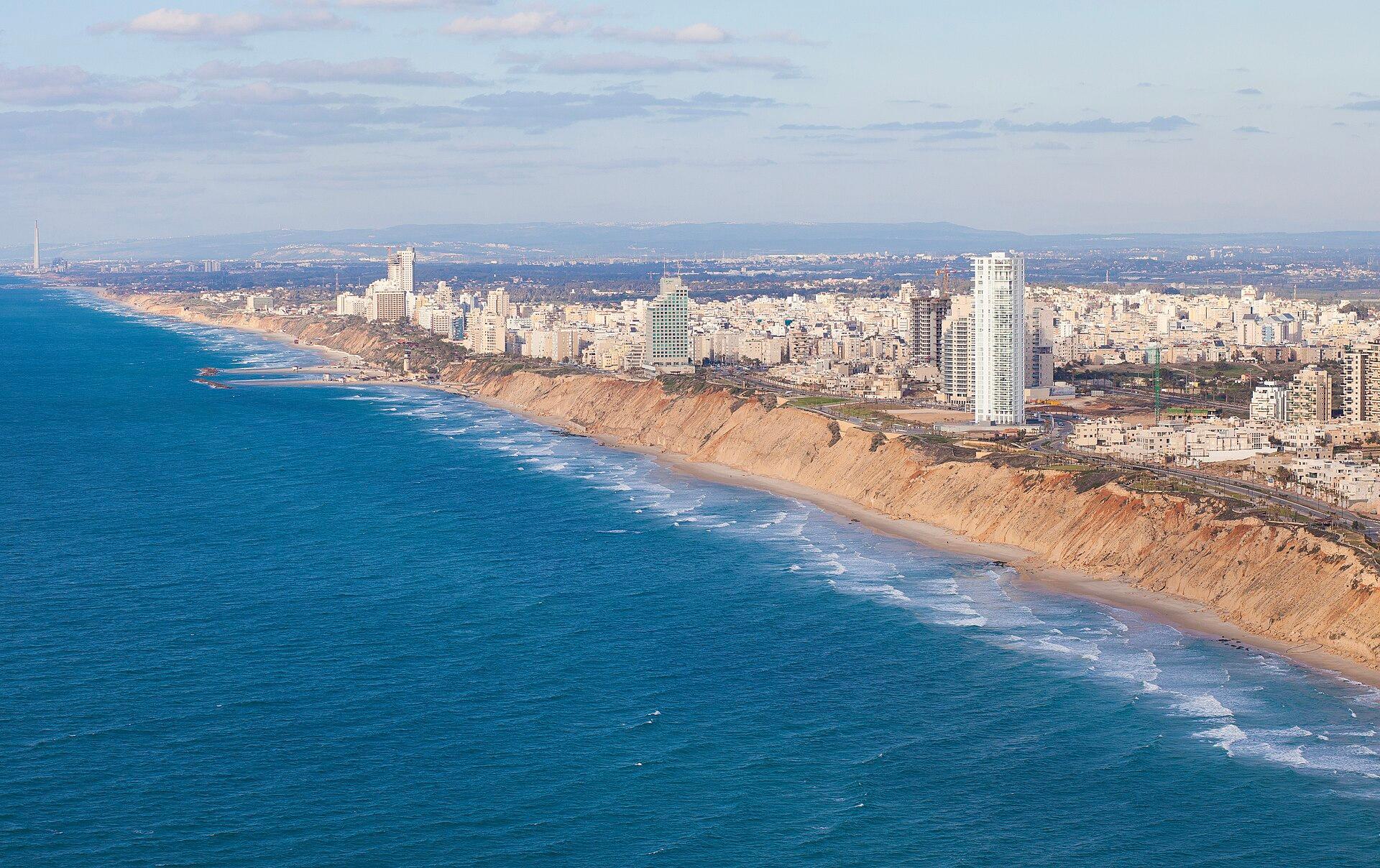
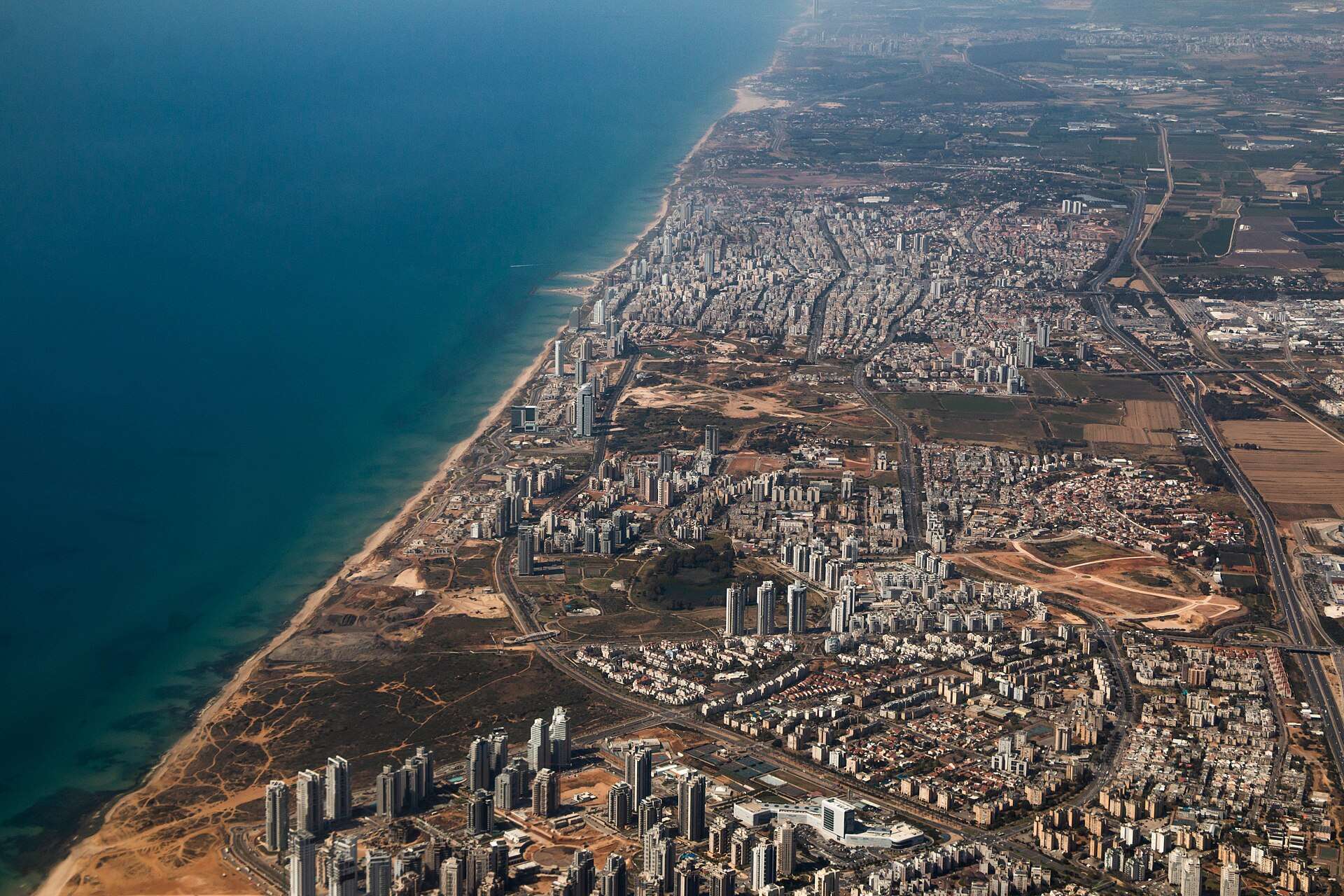
Photo: Israel_photo_gallery, CC BY-SA 2.0
Average sale price 2.85 M₪ (Q3 2026, provisional) · average rent 4,870 ₪ per month · Tel Aviv 32 km away · 110 homes available
What people love
- An average price 38% below Tel Aviv's.
- Beaches along the entire city.
- Two train stations: Netanya and Kiryat Sapir.
- One of the largest French-speaking communities in Israel.
Possible drawbacks
- An average price 25% above the national average.
- Arnona (municipal tax) that can double depending on the zone.
The city
Living in Netanya at a glance
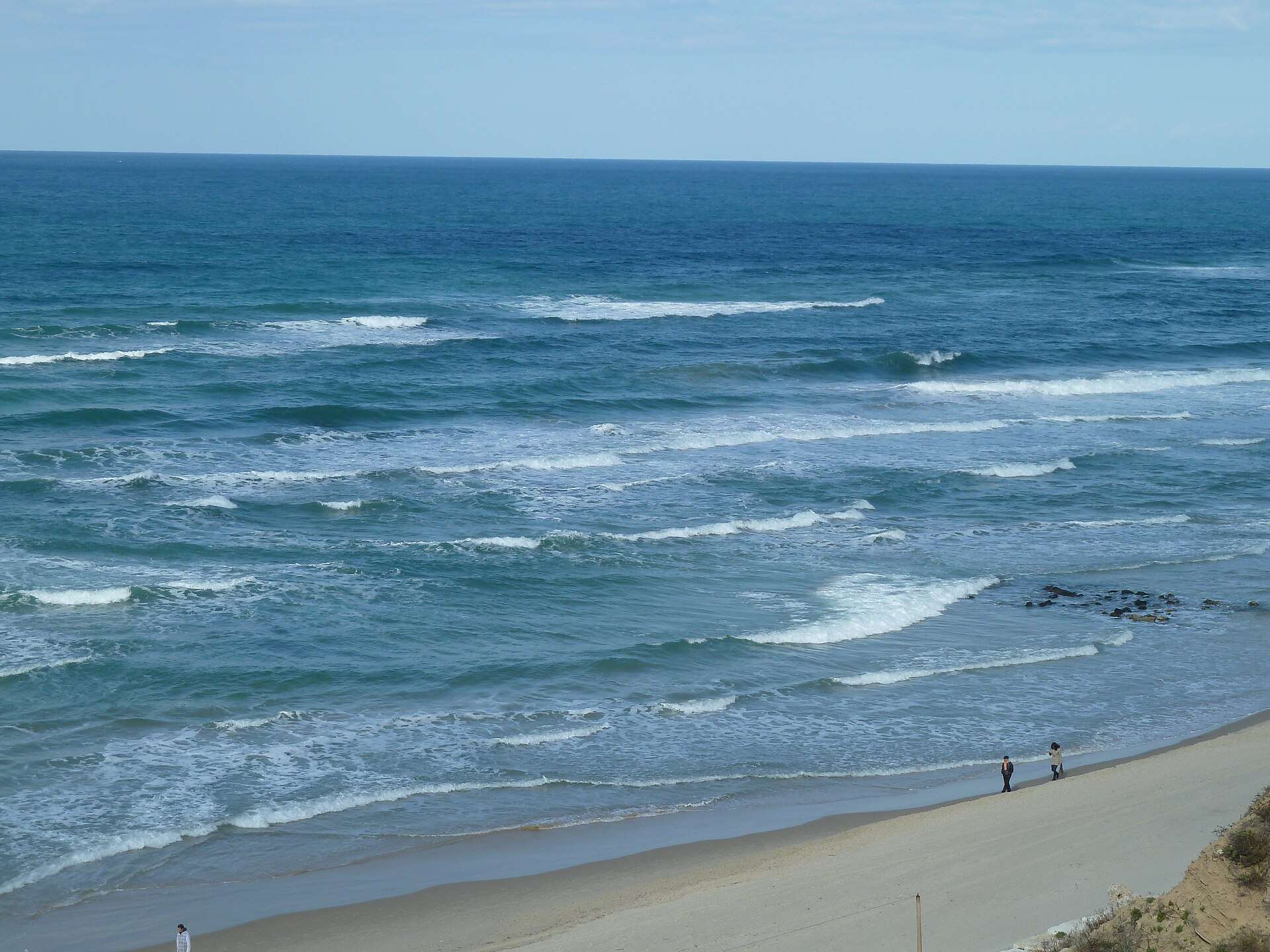
Netanya faces the sea. The city stretches along about 14 kilometers of beaches, at the foot of cliffs lined by a promenade.
The city center is lively and full of shops. To the south, the newer neighborhoods line up towers facing the sea; to the east, beyond the coastal highway, lie quieter residential neighborhoods.
Climate
The climate is Mediterranean. From June to September, it is hot, around 30 °C in the afternoon, and the air stays humid near the sea: air conditioning is essential.
Winter is mild, roughly between 10 and 18 °C, and rain falls mostly from November to March. Spring and fall are the most pleasant seasons.
People and languages
Netanya had about 224,000 residents at the 2022 census. It is a city of immigration: according to 2023 municipal statistics, more than 83,000 residents have arrived since 1990, mainly from Russia, Ukraine and France (more than 15,000 French people).
French is often heard around the city: French-speaking shops, synagogues and associations make the first months easier. Russian is also widely spoken. Hebrew is still necessary for administration, work and school.
Economy and jobs
Once Israel's diamond capital, Netanya now relies on two business districts, Kiryat Eliezer to the east and Poleg to the south, where high tech, pharmaceuticals, food processing and electronics sit side by side. Tourism also matters: it is one of the country's major seaside resorts.
Many residents work elsewhere: at the 2022 census, 40% of working residents worked outside the city. If you keep a job in Tel Aviv or the center of the country, choose your neighborhood based on the commute.
Getting around
Two train stations, Netanya east of the center and Kiryat Sapir in the south, connect the city to the rail network. The coastal highway runs alongside the city. From the center, by road and without traffic:
| Destination | Distance | By car |
|---|---|---|
| Tel Aviv | 32 km | ≈ 30 min |
| Herzliya | 22 km | ≈ 20 min |
| Raanana | 21 km | ≈ 20 min |
| Kfar Saba | 23 km | ≈ 20 min |
| Hadera | 21 km | ≈ 20 min |
| Haifa | 65 km | ≈ 55 min |
| Jerusalem | 94 km | ≈ 80 min |
| Ashdod | 69 km | ≈ 55 min |
| Ben Gurion Airport | 47 km | ≈ 45 min |
Theoretical travel times without traffic, calculated with OpenStreetMap on November 15, 2026: at rush hour, expect it to often take considerably longer. Tap a destination for the train or bus route with current schedules.
Daily life
Eating out, shopping, having fun
Restaurants and nightlife
You can eat everything in Netanya: Middle Eastern and Moroccan food, pizzerias, burgers, Italian food, sushi, ice cream shops and many cafés. Some of the restaurants are kosher; check each one's certification according to your standards. Nightlife is concentrated in the city center and along the seafront.
Shopping
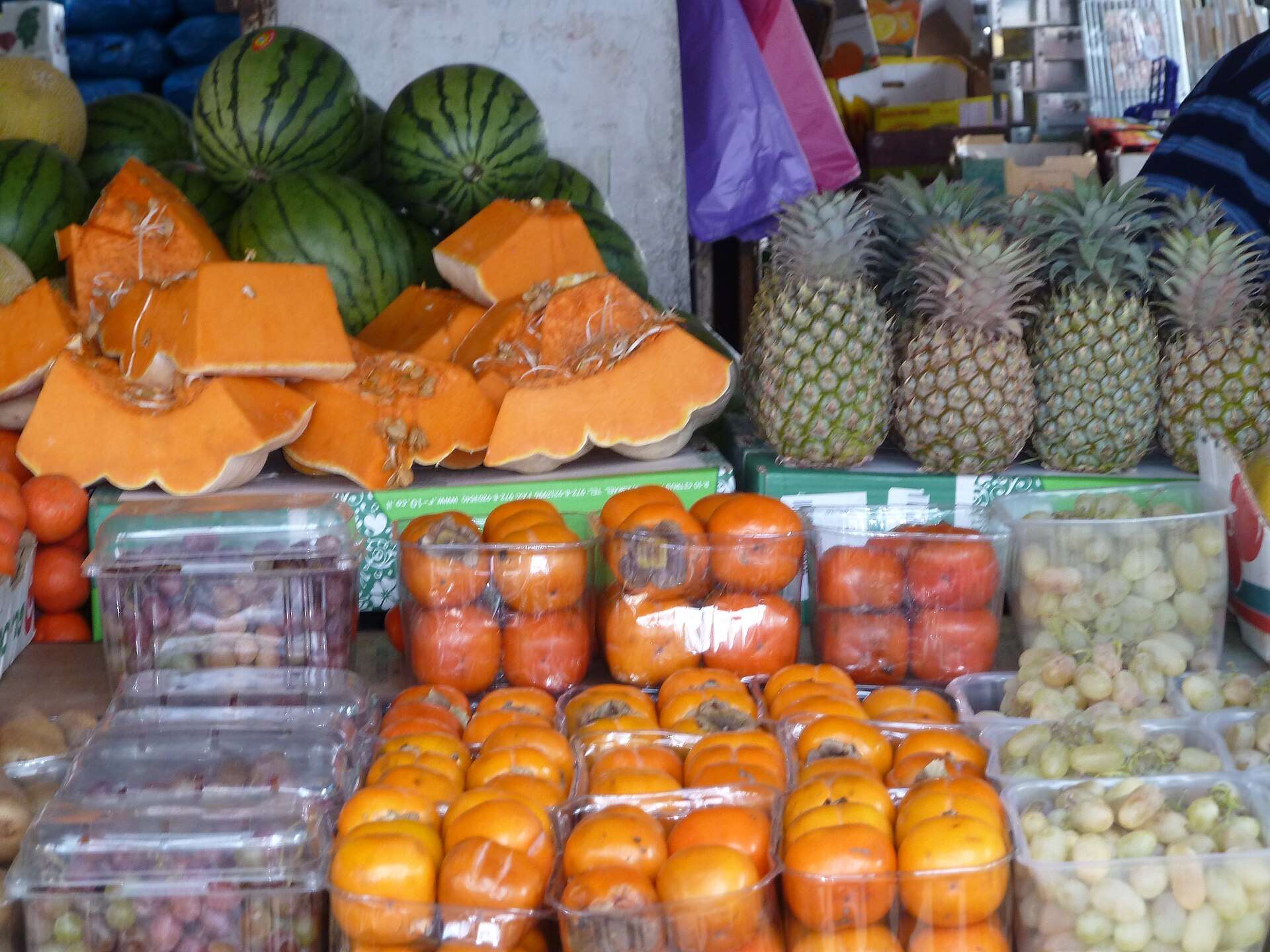
The city has about ten shopping malls, from the largest, Ir Yamim in the south, to neighborhood shopping centers, plus retail areas with the major chains. The municipal market brings life to the city center. Supermarkets and local shops are found in every neighborhood.
Sports and leisure
The sea is the top pastime: beaches approved for swimming, the cliffside promenade, paragliding above the beach. The city has a stadium with more than 13,000 seats, soccer and basketball clubs, swimming pools and country clubs, and many parks and playgrounds. For culture: a municipal performance hall, a movie theater and a museum of the city's history.
Healthcare, schools and settling in
Laniado Hospital is in the city; for routine care, check that a clinic of your health fund is close to your home. The Ministry of Education lists nearly 90 schools and more than 400 kindergartens: identify the ones that suit your children before choosing a neighborhood. An Ulpan and a municipal integration service support new immigrants.
Neighborhoods
Where to look in Netanya?
Three questions are enough for a first shortlist. Where do you work? If it's in Tel Aviv, being close to a train station comes first. New or older property? The southern neighborhoods have most of the recent construction, while the center and the east offer more resale properties. What do you want within walking distance: the sea, schools, the synagogue?
Centre-ville et bord de mer
By the sea · Historic center
The heart of the city, between the train station and the sea.
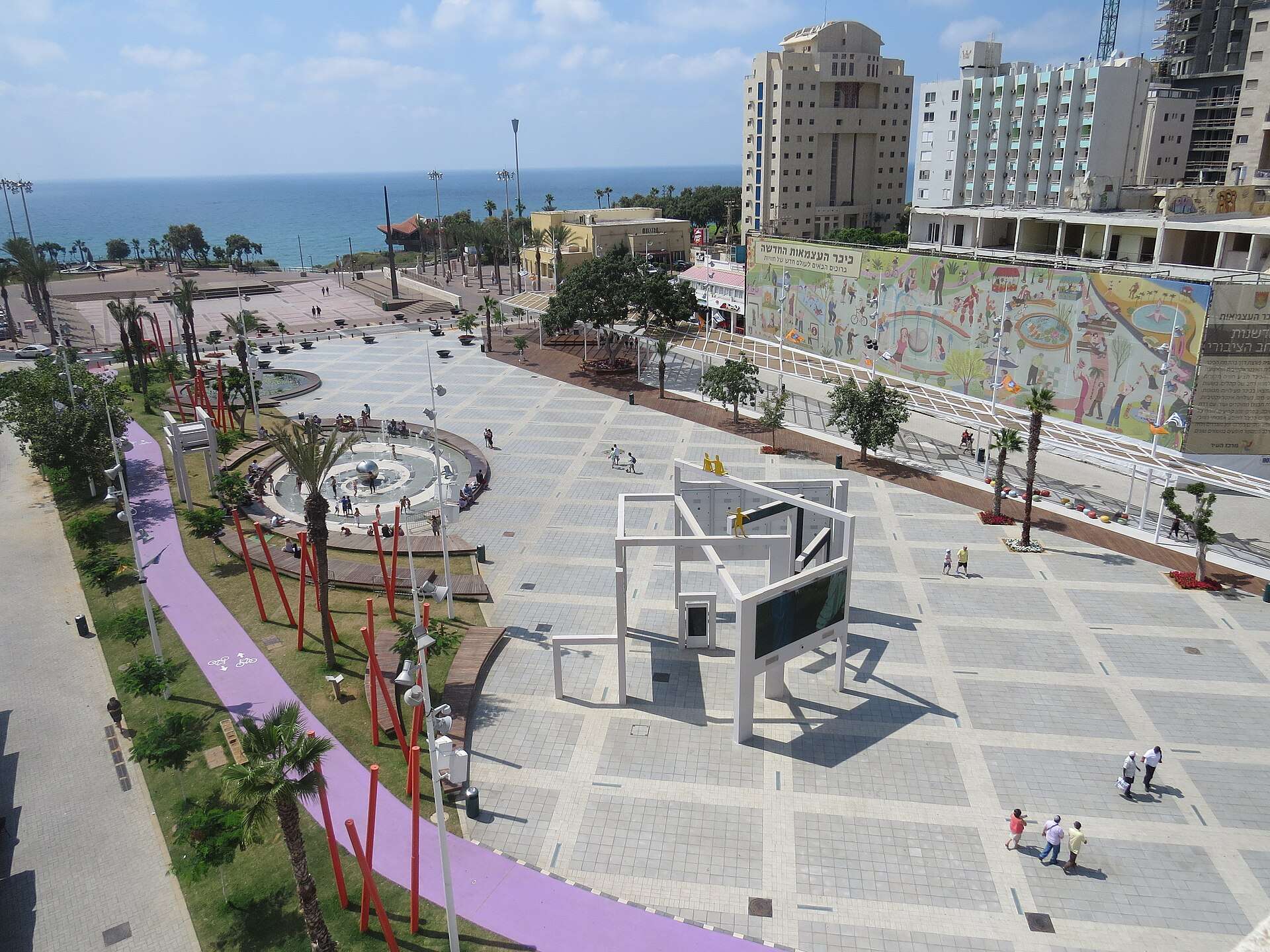
Daily life. Shops, cafés, the municipal market and the cliffside promenade: everything is within walking distance. It is also the liveliest neighborhood in the evening and during the holidays.
Good to know. Many older buildings: check the condition of the building, the elevator and the parking.
Housing. Mostly apartments in older buildings, plus a few newer residences on the seafront. A sea view pushes prices up.
Ir Yamim
By the sea · Since 2006
The newer neighborhood in the south, along the shoreline.
Daily life. Large residential towers, the city's largest shopping mall, schools in the neighborhood, and a large park planned at its center.
Good to know. The neighborhood is not finished everywhere. In towers with services, building maintenance fees weigh on the budget.
Housing. Mostly new or recent apartments in towers, often with a sea view.
Ramat Poleg
By the sea · Since the late 1970s
The southernmost neighborhood, between the sea and the Nahal Poleg nature reserve.
Daily life. A residential setting, two elementary schools and Poleg beach.
Good to know. If you take the train, check the distance to the station: a car often becomes necessary.
Housing. Villas in the older part; buildings up to 18 floors, villas and houses in the newer part.
Agamim
Since 2013
A new neighborhood in the south, still under construction.
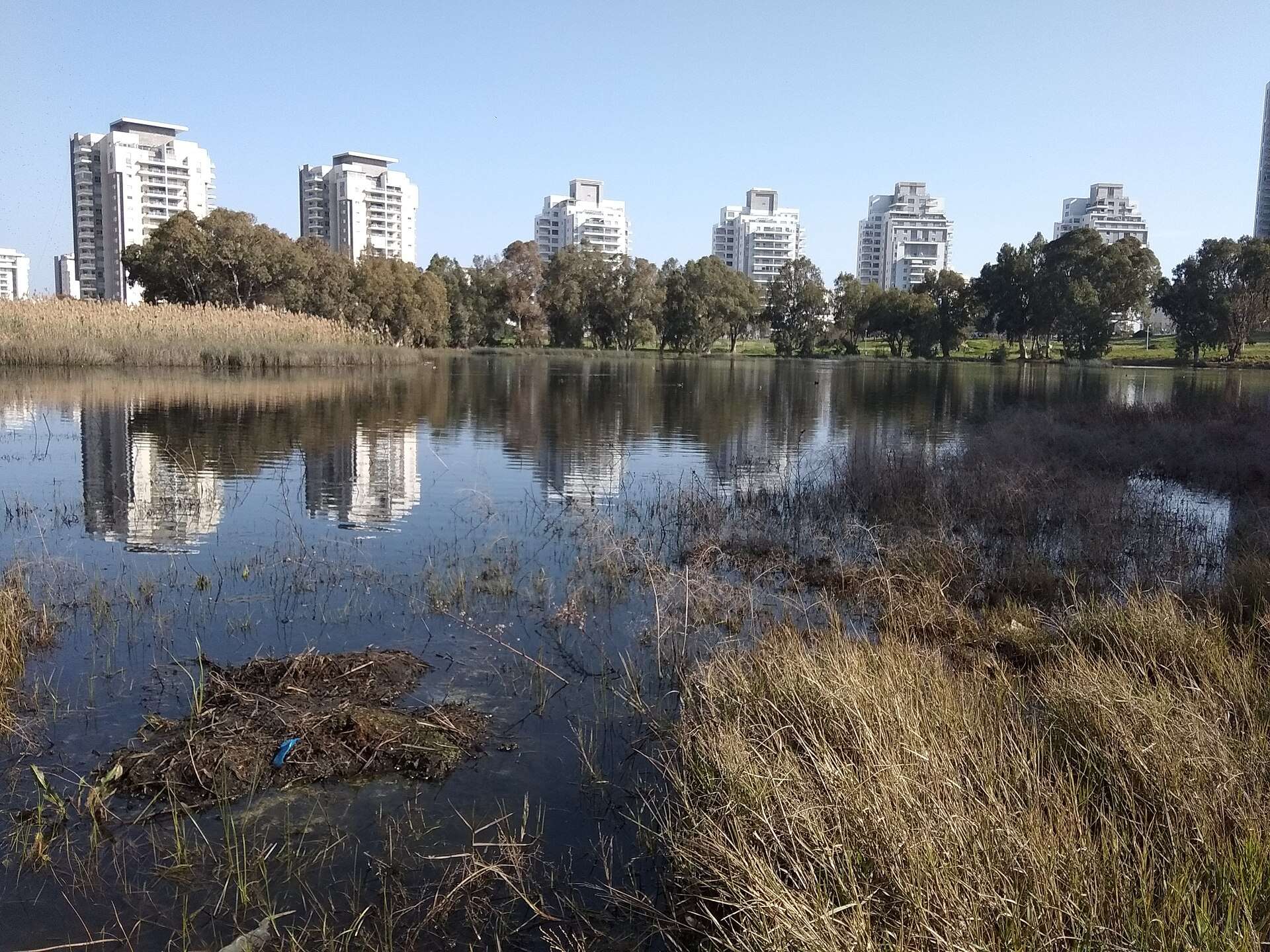
Daily life. A neighborhood shopping center and direct access to the winter pond park.
Good to know. The neighborhood is under construction: find out what will be built around the property.
Housing. Mostly low-rise buildings and a few towers, with new homes.
2 properties for sale1 rentalGet advice on this neighborhood
Kiryat Hasharon
Not by the sea · Since 1999
A neighborhood in the east, next to Netanya Academic College.
Daily life. Public and religious elementary and middle schools, and a wooded area, the Oak Park.
Good to know. It is not by the sea: the beach is reached by car or bus.
Housing. The neighborhood's listings give an idea of the homes available.
The listings counted are those whose advertiser specified the neighborhood; others remain visible across the whole city.
Housing
What budget, what kind of home?
In Netanya, prices vary mainly with the size of the home, the neighborhood and the sea view. The official averages below describe past sales and rentals; today's listings show the actual current price.
Since the 1990s, every new home must have its own safe room (mamad). In an older building, check during the visit that there is a mamad or a shared shelter: it's a real plus for everyday comfort.
| Size | Purchase | Rent / month |
|---|---|---|
| 1 to 2 rooms | Too few sales | 3,080 ₪≈ 850 € |
| 2.5 to 3 rooms | 1.97 M₪≈ 545,000 € | 4,170 ₪≈ 1,160 € |
| 3.5 to 4 rooms | 2.56 M₪≈ 709,000 € | 5,330 ₪≈ 1,480 € |
| 4.5 rooms or more | 3.61 M₪≈ 1,001,000 € | 6,820 ₪≈ 1,890 € |
Sales, Q3 2026, provisional; rents, Q3 2026. For 4.5 rooms or more, the average purchase price shown is for 4.5 to 5 rooms. Euros at the Bank of Israel rate of November 27, 2026, for guidance only.
Also budget for Arnona (municipal tax): for 100 m², from 340 to 780 ₪ per month depending on the zone. Purchase costs (purchase tax, lawyer, broker if any) can be worked out with our cost simulator.
Today in Netanya: 78 properties for sale, 18 rentals and 14 new developments. By purchase budget: 1 up to 1.5 M₪, 19 up to 2 M₪, 33 up to 2.5 M₪, 48 up to 3 M₪.
Planning a move to Netanya?
Describe what you're looking for: our French-speaking team will get back to you and also search beyond the listings. Free, with no commitment.
Figures come from official or identified sources and from listings published on Alloj Immobilier; when information is missing, we say so rather than estimate it. The advice is from our editorial team. Page updated November 27, 2026. Sources and credits