
Center (Sharon) · רעננה
Living in Ra'anana
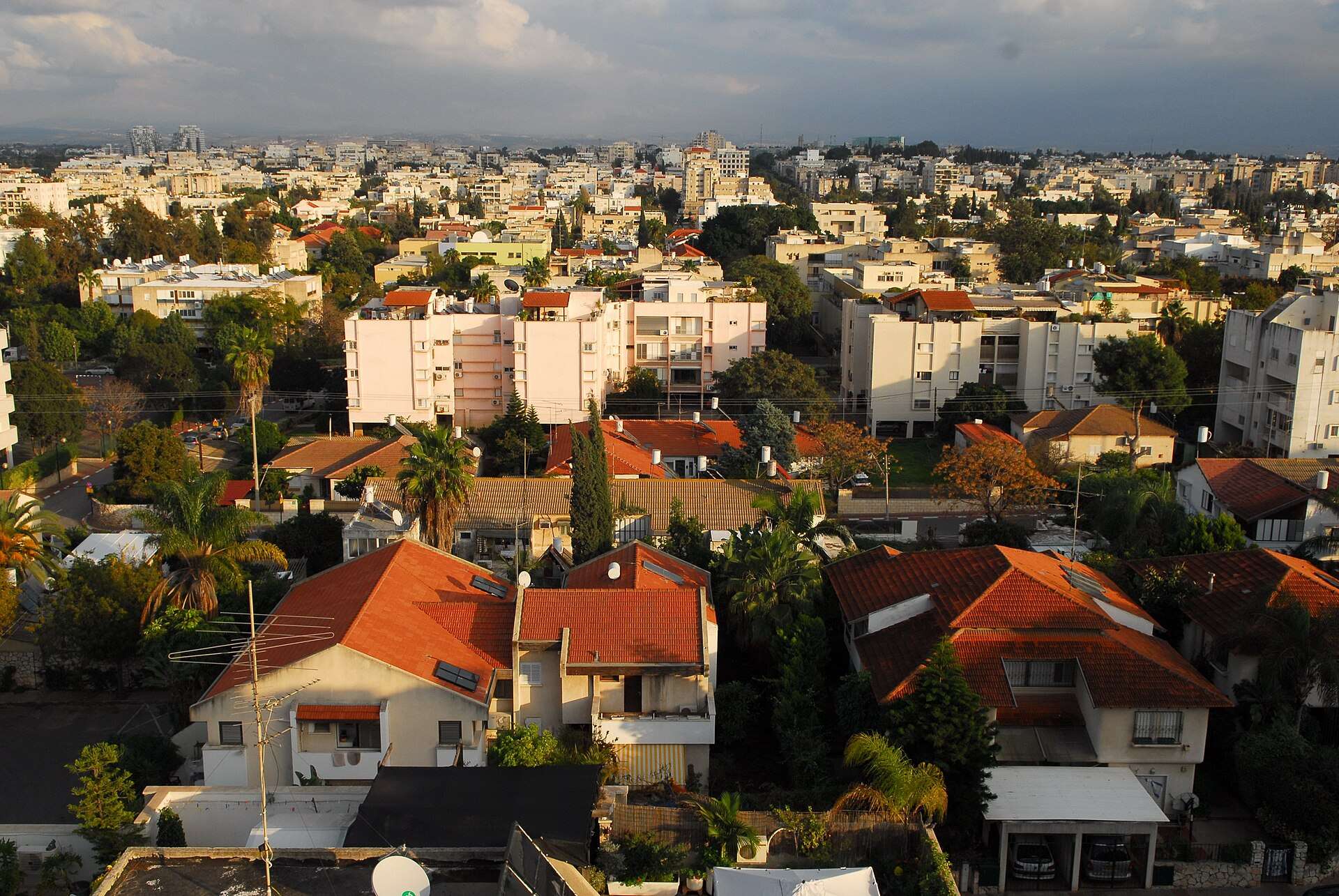
A green, residential city in the Sharon, next to Herzliya and Kfar Saba, with two train stations and a large immigrant community. Worth considering if you are looking for a calm family life, a variety of schools and well-organized support for immigrants, with a high budget.
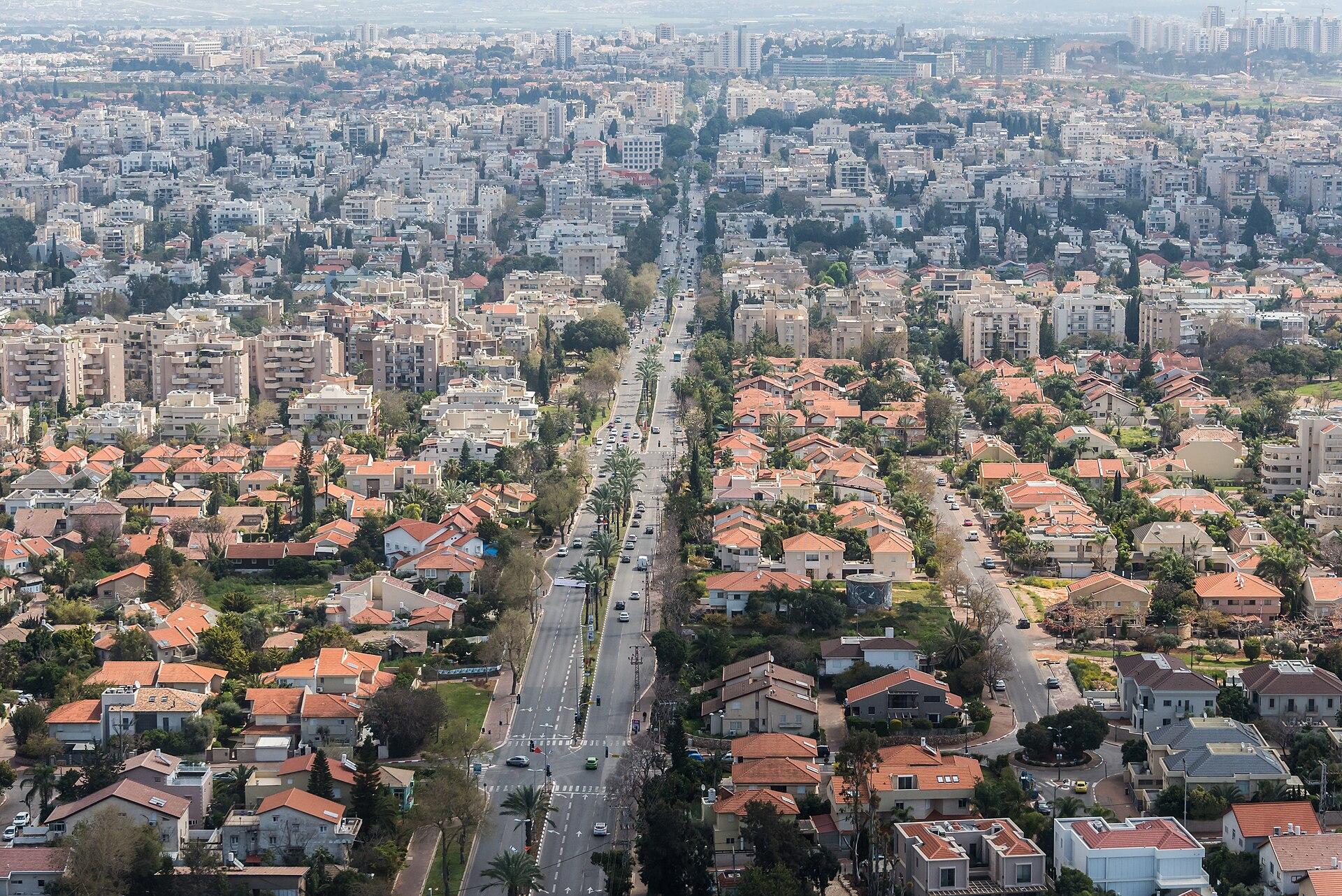
Photo: Lev.Tsimbler, CC BY-SA 4.0
Tel Aviv 20 km away · 1 home available
What people love
- A city of immigrants: in the 2022 census, nearly a third of residents (32%) were born abroad.
- Two train stations: Raanana South and Raanana West.
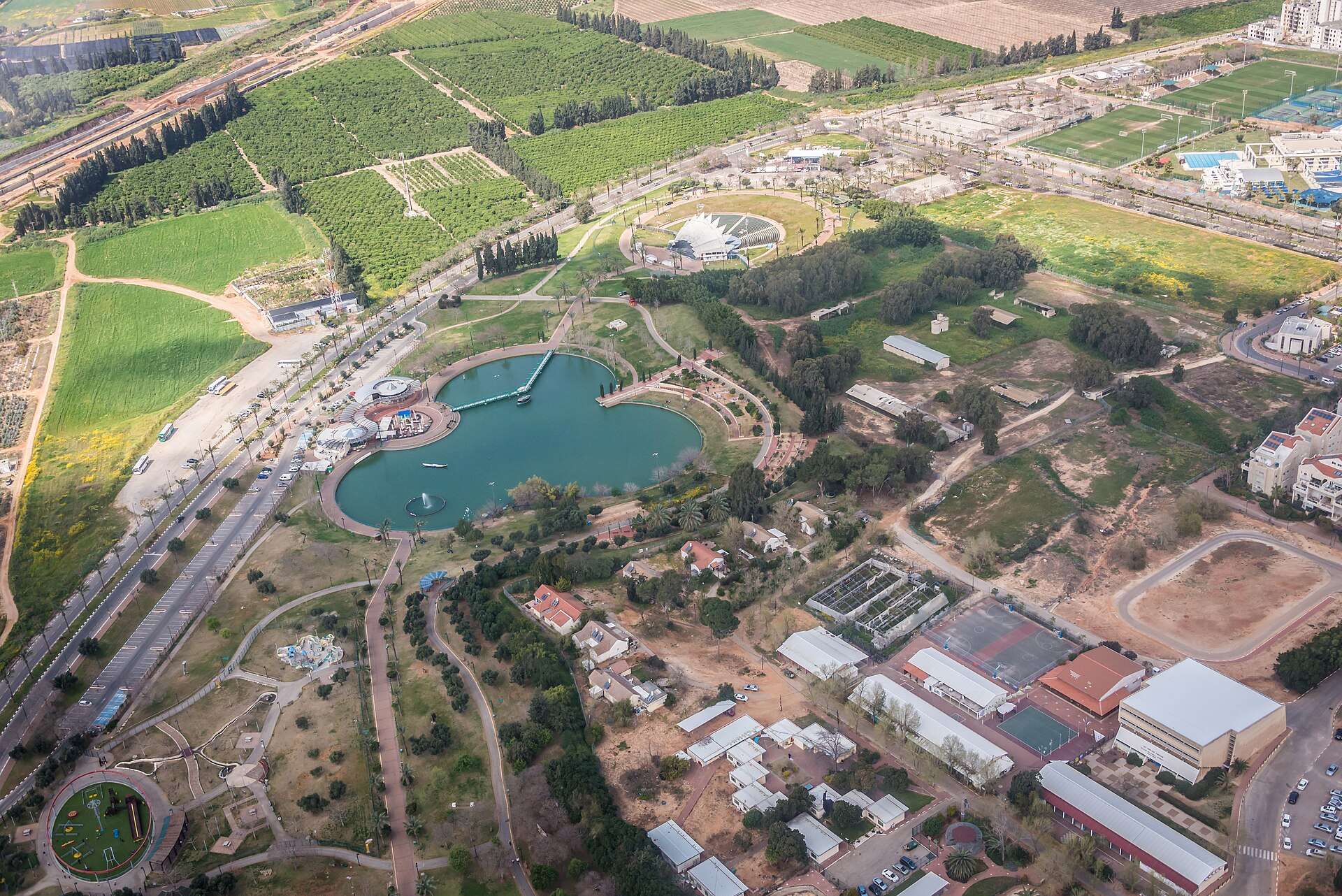
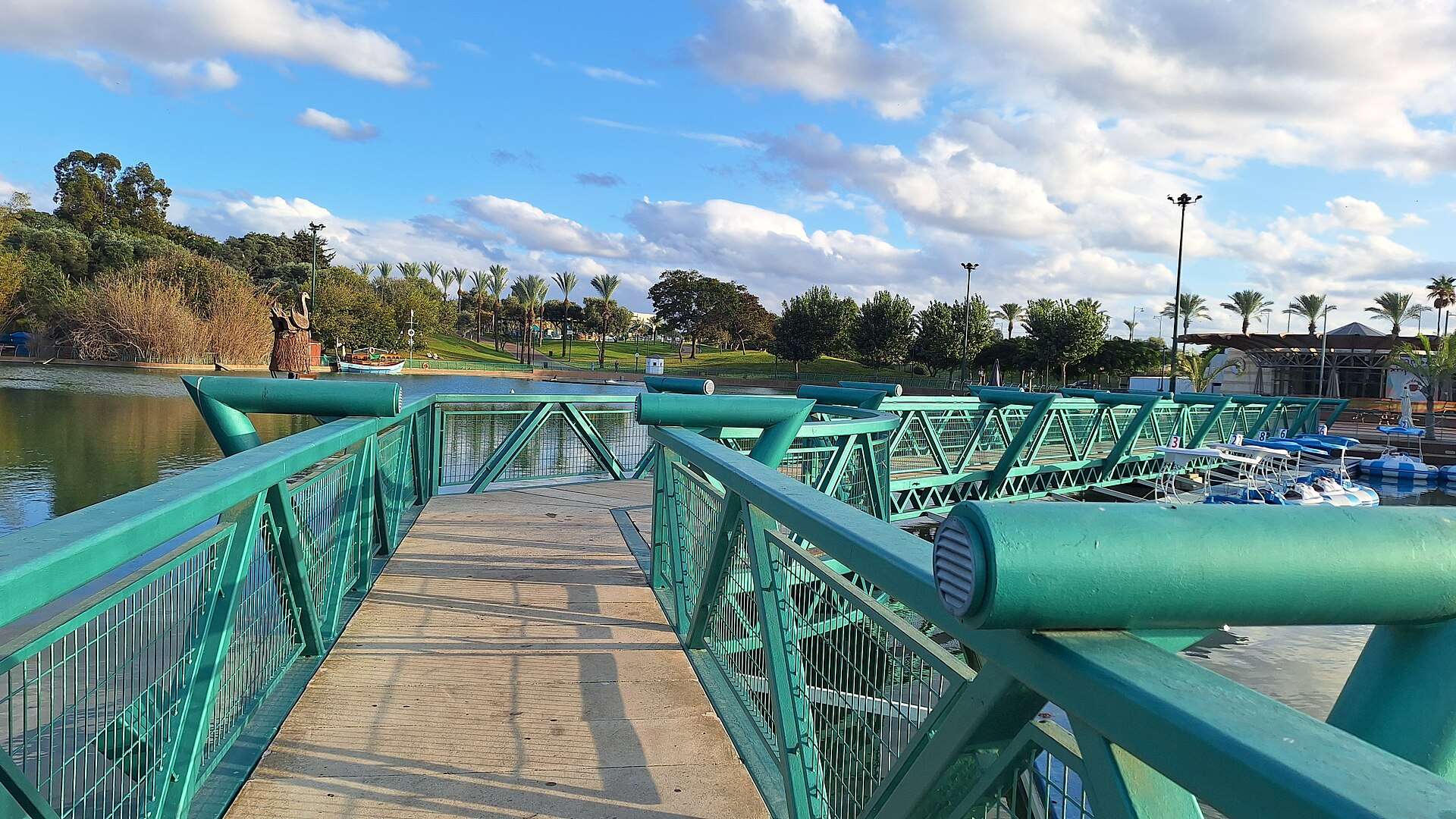
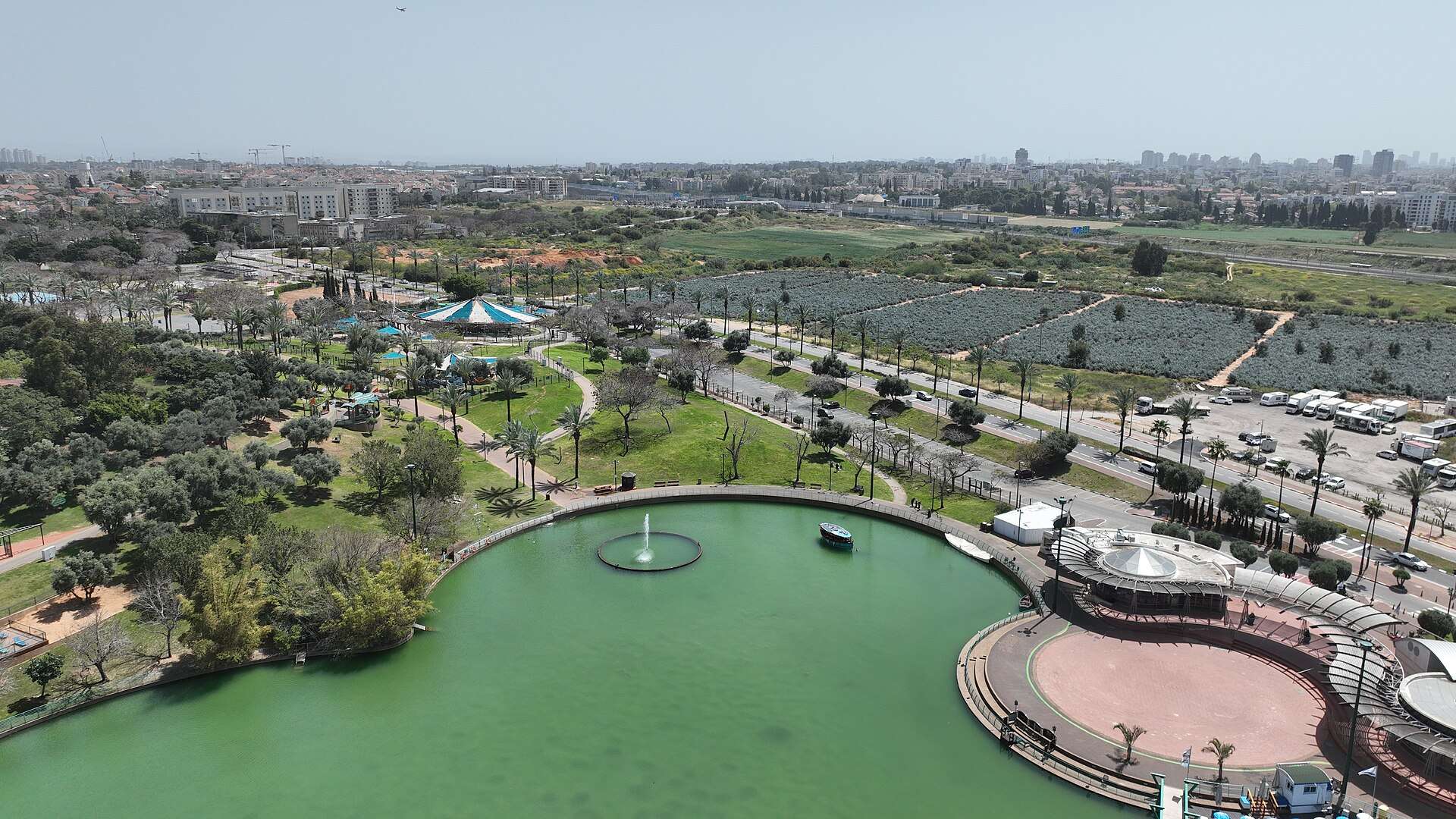
- Raanana Park, the largest urban park in the Sharon, with a lake and an amphitheater.
Possible drawbacks
- A municipal tax (Arnona) that varies by zone.
- There is no hospital in the city: the nearest is Meir Medical Center, in Kfar Saba.
- Prices for new homes have risen sharply: in Neve Zemer, a 4-room apartment went from about 2 to 3.5 million shekels in roughly ten years (2023).
The city
Living in Ra'anana at a glance
Raanana is a green, residential city. Ahuza Street, the village's historic main road, crosses it from east to west, from Herzliya to Kfar Saba: it is the main shopping street. Around it, the streets laid out in the early 1920s still exist.
To the west, Raanana Park borders the city. To the north, a large business park is home to high-tech companies.
Climate
The climate is Mediterranean, a little drier than on the coast. In July and August, afternoons reach 31 to 32 °C and nights 22 to 23 °C: air conditioning is essential.
Winter is mild, roughly between 10 and 17 °C in January. This part of the Sharon gets an average of 550 to 600 mm of rain per year, mostly from November to March. Spring and fall are the most pleasant seasons.
People and languages
Raanana had about 80,000 residents in the 2022 census, with a median age of 39. In the 2022 census, nearly a third of residents (32%) were born abroad: many come from English-speaking countries, Latin America (especially Argentina) and the former USSR, and French immigration is growing.
Most residents are secular, with a large Modern Orthodox community. The city has nearly 100 synagogues, as well as a Reform community and a Masorti community. According to Nefesh B'Nefesh, religious families tend to live in the north and secular families in the south. English is widely heard, but Hebrew is still necessary for administration and work.
Economy and jobs
In the north of the city, a business park of about 90 hectares is home to major high-tech companies such as HP, NICE and SAP. Near the Raanana junction, another business area houses Amdocs, among others. The city is also home to the Open University of Israel and Raanana College.
Many residents work elsewhere: in the 2022 census, about 56% of working residents worked outside the city. If your job is in Tel Aviv, check the commute to one of the two train stations.
Getting around
Two train stations serve the city: Raanana South, near the Raanana junction, and Raanana West, near the Herzliya East interchange. Buses leave mainly from the terminals at the Raanana junction and Lev HaPark. From the center, by road and without traffic:
| Destination | Distance | By car |
|---|---|---|
| Tel Aviv | 20 km | ≈ 20 min |
| Ben Gurion Airport | 28 km | ≈ 30 min |
| Jerusalem | 76 km | ≈ 65 min |
| Haifa | 81 km | ≈ 70 min |
| Netanya | 22 km | ≈ 20 min |
| Herzliya | 5 km | ≈ 5 min |
| Kfar Saba | 5 km | ≈ 5 min |
| Petah Tikva | 15 km | ≈ 20 min |
Theoretical travel times without traffic, calculated with OpenStreetMap on November 23, 2026: at rush hour, expect it to often take considerably longer. Tap a destination for the train or bus route with current schedules.
Daily life
Eating out, shopping, having fun
Restaurants and nightlife
Cafés and restaurants line Ahuza Street and the shopping centers. Check each establishment's kosher certification according to your standards.
Shopping
Ahuza Street is lined with shops and services. The Rananim shopping center in the business park, the Park Mall near the park, and the Neve Zemer neighborhood shopping center round out the options. Each neighborhood has its own local shops.
Sports and leisure
Raanana Park is the top leisure spot: a lake, trails, bike paths, sports fields, a small zoo, a café and an amphitheater that hosts many concerts. The city has a 14-court tennis center, a 1,650-seat sports arena, a swimming pool, and soccer, basketball, rugby and baseball clubs. For culture: the music and arts center, the Raanana Symphonette orchestra and the founders' museum.
Healthcare, schools and settling in
There is no hospital in Raanana: Meir Medical Center is in neighboring Kfar Saba. All the health funds are present. The city has 39 schools: public, religious and ultra-Orthodox. According to Nefesh B'Nefesh, the areas near the Ariel, Bilu and Yavne schools are the most sought after by immigrants. Several Ulpans operate in the city, and the municipality has a department for immigrants.
Neighborhoods
Where to look in Ra'anana?
Three questions for a first shortlist. What religious life do you want around you? Religious families tend to live in the north, secular ones in the south. Which school? Immigrants often cluster around a few schools. New or older? New construction is mostly in the north, in Neve Zemer; elsewhere, urban renewal is gradually replacing older buildings.
Centre-ville
Since the 1920s
The historic heart, on both sides of Ahuza Street.
Daily life. Shops, cafés and services along Ahuza Street: everything is within walking distance. Just to the north, Kiryat David Remez, one of the largest older neighborhoods, has about 12,000 residents, with a large religious population.
Good to know. The area is changing: in Kiryat David Remez, more than 100 urban renewal projects are underway or under study. Rush-hour traffic jams and parking can be difficult.
Housing. Villas, single-family homes and 3- to 6-story buildings. In Kiryat David Remez, prices are often below the city average, by up to about 20% (2025).
Kiryat Sharet
An older neighborhood in the north of the city, next to Neve Zemer, Lev HaPark and Raanana Park.
Daily life. Raanana Park and the shops of the new Neve Zemer neighborhood are close by.
Good to know. Many older buildings. Renewal is getting started: on Geula Street, three buildings (138 homes in total) were demolished in 2023; six buildings (355 homes) are to replace them.
Housing. Older buildings; new 3- to 6-room apartments in the renewal projects.
Neve Zemer
Since about 2012
The largest neighborhood in the city's history, north of Weizmann Boulevard.
Daily life. About 3,500 homes for about 10,000 residents, a neighborhood shopping center and a skatepark.
Good to know. Public transportation is limited: in 2023, only one bus line went to the train station. A car is often necessary.
Housing. New or recent apartments. In 2023, a 4-room apartment sold for about 3.5 million shekels and a 5-room for about 4 million.
Raanana Nord
The north of the city, where most of the religious community lives, up to the business park.
Daily life. According to Nefesh B'Nefesh, religious families tend to live in the north of the city. The northern business park is home to major high-tech companies and the Rananim shopping center.
Good to know. A new area, called Raanana North, is planned north of Kiryat Sharet: about 600 homes and offices. Check the construction schedule.
Housing. The neighborhood's listings give an idea of the homes available.
The listings counted are those whose advertiser specified the neighborhood; others remain visible across the whole city.
Housing
What budget, what kind of home?
In Raanana, the neighborhood and the age of the building make prices vary a lot: new homes in Neve Zemer cost significantly more than older homes in the center. The Central Bureau of Statistics does not publish an average rent for the city; today's listings show the actual current price.
Since the 1990s, every new home must have its own safe room (mamad). In an older building, check during the visit that there is a mamad or a shared shelter: it is a real plus for everyday comfort.
| Size | Purchase | Rent / month |
|---|---|---|
| 1 to 2 rooms | Too few sales | Information not available |
| 2.5 to 3 rooms | Too few sales | Information not available |
| 3.5 to 4 rooms | Too few sales | Information not available |
| 4.5 rooms or more | Too few sales | Information not available |
. For 4.5 rooms or more, the average purchase price shown is for 4.5 to 5 rooms. Euros at the Bank of Israel rate of November 27, 2026, for guidance only.
Also budget for Arnona (municipal tax): for 100 m², from 400 to 530 ₪ per month depending on the zone. Purchase costs (purchase tax, lawyer, broker if any) can be worked out with our cost simulator.
Today in Ra'anana: 0 property for sale, 0 rental and 1 new development. By purchase budget:
Planning a move to Ra'anana?
Describe what you're looking for: our French-speaking team will get back to you and also search beyond the listings. Free, with no commitment.
Figures come from official or identified sources and from listings published on Alloj Immobilier; when information is missing, we say so rather than estimate it. The advice is from our editorial team. Page updated November 27, 2026. Sources and credits