
Tel Aviv · תל אביב-יפו
Living in Tel Aviv
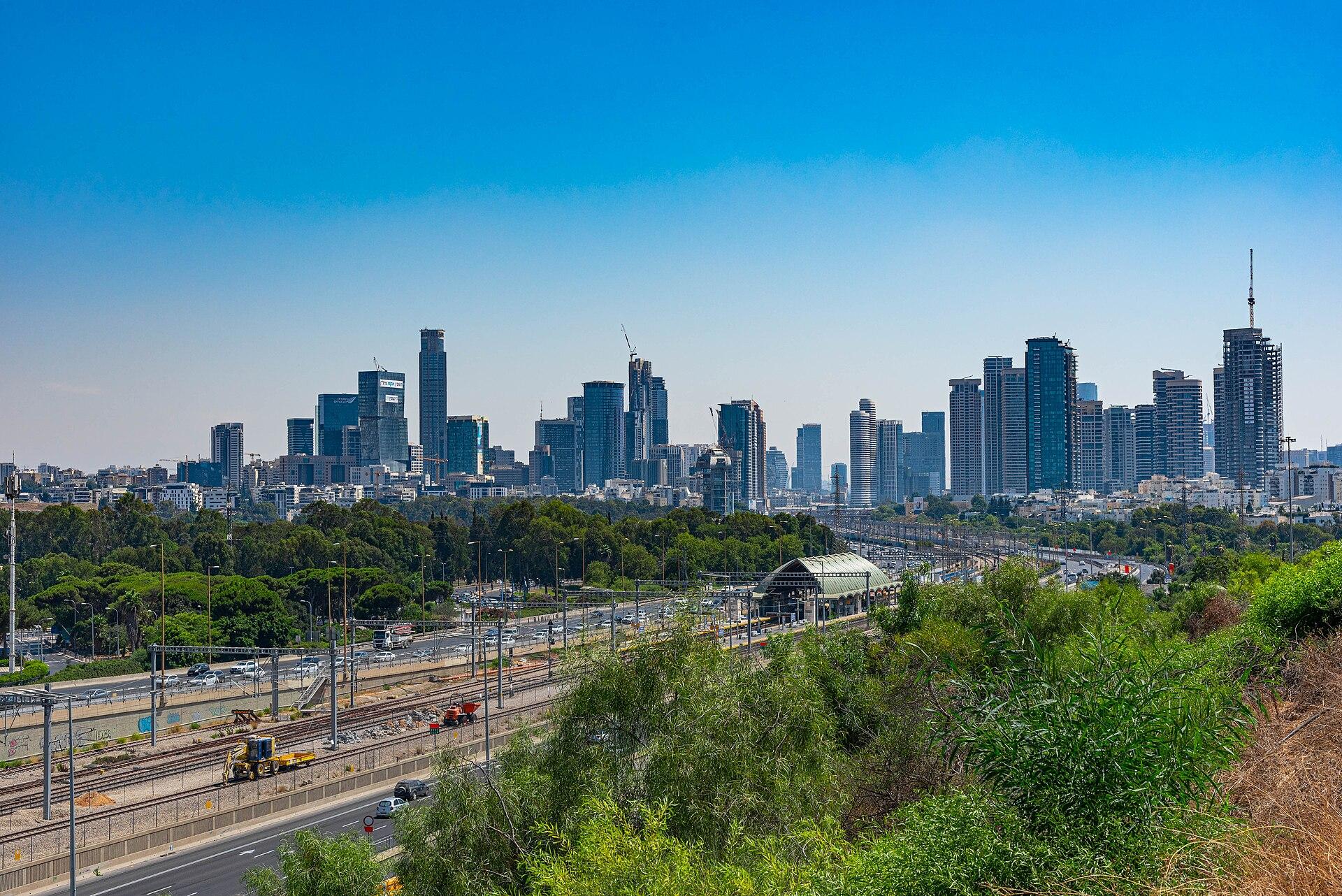
The big seaside city, the economic and cultural heart of the country, with four train stations and the light rail. Worth considering if you want to work and live in the same place, on foot or by bike, and if your budget allows: rents here are the highest of the major cities.
Photo: Ynhockey, CC BY-SA 4.0
Average sale price 4.61 M₪ (Q3 2026, provisional) · average rent 7,490 ₪ per month · 19 homes available
What people love
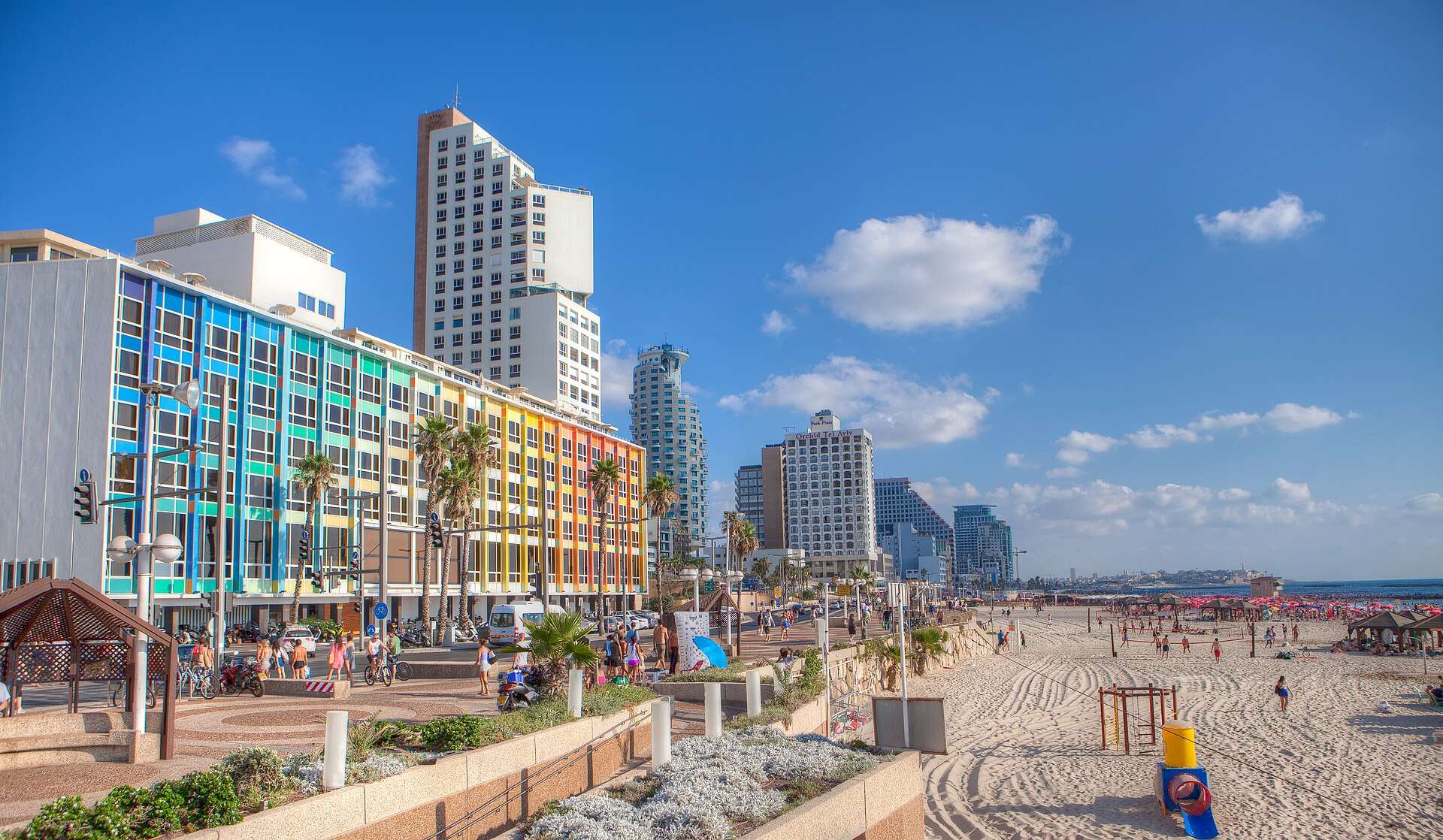
- About ten beaches approved for swimming along the city, from Tel Baruch in the north to Jaffa, and a seafront promenade.
- Four train stations serve the city (Savidor Center, University, HaShalom, HaHagana), and the Red Line of the light rail has crossed it since 2023.
- A city where people work locally: in the 2022 census, less than a third of workers (31%) worked outside the city.
Possible drawbacks
- An average price 101% above the national average.
- Arnona (municipal tax) that can double depending on the zone.
- Rents are the highest of the major cities tracked by the CBS: an average of ₪7,488 per month from July to September 2026, compared with ₪5,132 for the country as a whole.
- The city is under construction: the Green and Purple light rail lines, and towers planned in the east along the Ayalon Highway. Find out about planned works around the property.
The city
Living in Tel Aviv at a glance
Tel Aviv stretches along the sea, on former dunes, north of the old port of Jaffa. The terrain is flat, which makes the city easy to get around on foot or by bike.
The center keeps its 1930s buildings: the White City, several thousand modernist-style buildings, has been a UNESCO World Heritage Site since 2003. To the east, along the Ayalon Highway, office towers rise. The north is more affluent and residential, the south more working-class, apart from Neve Tsedek and northern Jaffa.
Climate
The climate is Mediterranean. Summer lasts from June to October: in August, it is about 30 °C in the afternoon and 25 °C at night, with high humidity. Air conditioning is essential.
Winter is mild, roughly between 10 and 18 °C in January. It rains from October to April, mostly from December to February, often as showers and thunderstorms. In spring and fall, dry heat waves from the desert sometimes push temperatures to 35 °C or more.
People and languages
Tel Aviv-Yafo had 494,900 residents at the end of 2024, with a median age of 35 at the 2022 census. The population is mostly Jewish and secular; Jaffa is a mixed city, where about one third of residents are Arab. The south of the city is also home to many foreign workers and asylum seekers.
It is a city of renters: at the 2022 census, 55% of households rented their home. For French speakers, the Institut français, on Rothschild Boulevard, and the Collège français Marc-Chagall, in Neve Tsedek, are landmarks. Hebrew is still necessary for administration and most jobs.
Economy and jobs
Tel Aviv is the country's economic and technology center. The city is home to the Tel Aviv Stock Exchange, the headquarters of many companies, investment funds and research centers, as well as the Kiryat Atidim high-tech zone. It is also home to the major newspapers, TV channels and most embassies.
The trade-off is the cost of living, the highest in the country. In 2023, 56% of residents got to work without a car: living close to your office often lets you do without one.
Getting around
Four train stations along the Ayalon Highway connect the city to the rail network: Savidor Center, University, HaShalom (near the Azrieli towers) and HaHagana. The Red Line of the light rail runs from Bat Yam to Petah Tikva via Jaffa and the center. The central bus station is in the south. Trains do not run on Shabbat; shared taxis (sherut) do. From the center, by road and without traffic:
| Destination | Distance | By car |
|---|---|---|
| Ben Gurion Airport | 23 km | ≈ 25 min |
| Jerusalem | 66 km | ≈ 55 min |
| Ramat Gan | 7 km | ≈ 10 min |
| Herzliya | 16 km | ≈ 20 min |
| Petah Tikva | 12 km | ≈ 15 min |
| Rishon LeZion | 17 km | ≈ 20 min |
| Netanya | 34 km | ≈ 30 min |
| Ashdod | 40 km | ≈ 35 min |
| Haifa | 96 km | ≈ 80 min |
Theoretical travel times without traffic, calculated with OpenStreetMap on November 23, 2026: at rush hour, expect it to often take considerably longer. Tap a destination for the train or bus route with current schedules.
Daily life
Eating out, shopping, having fun
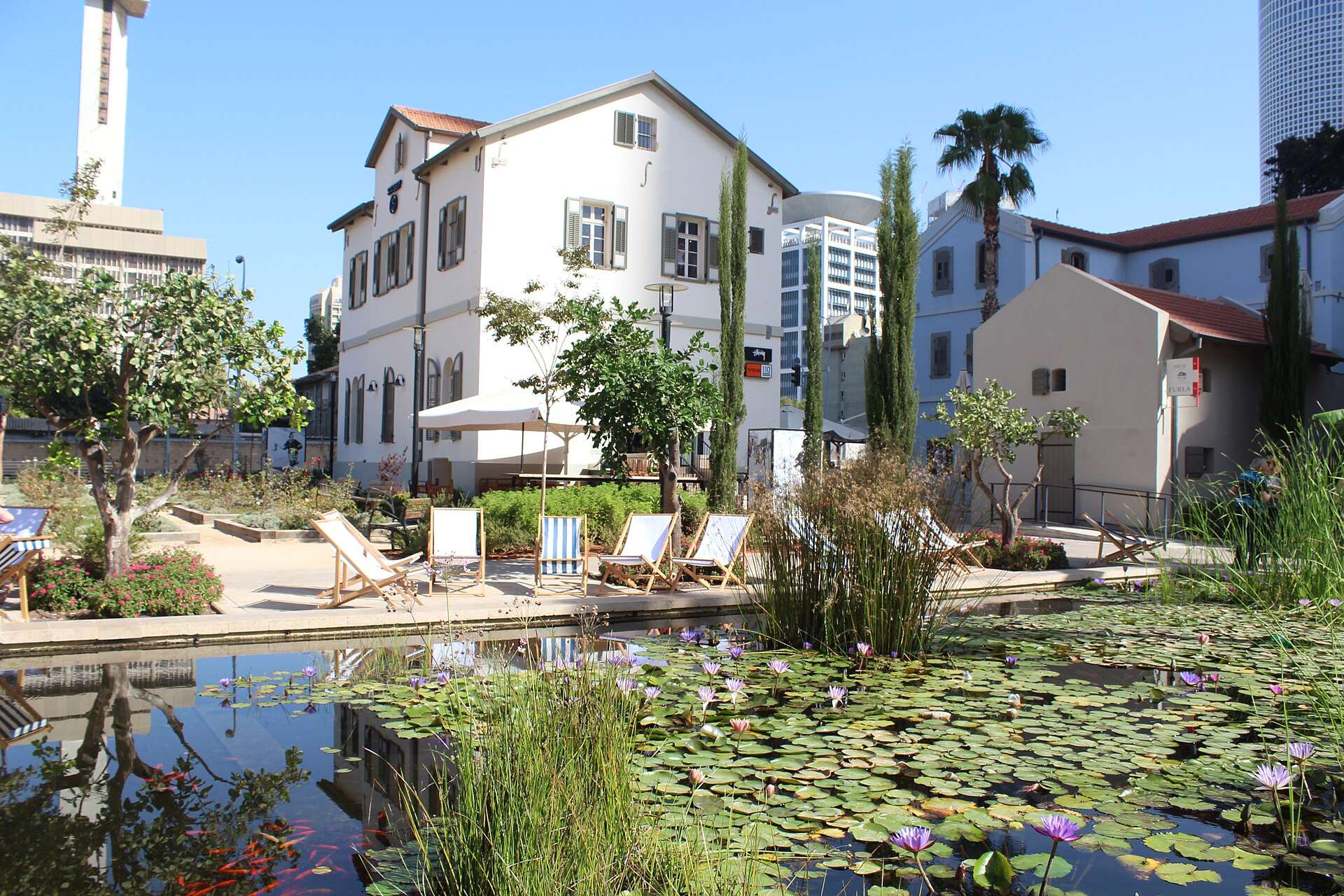
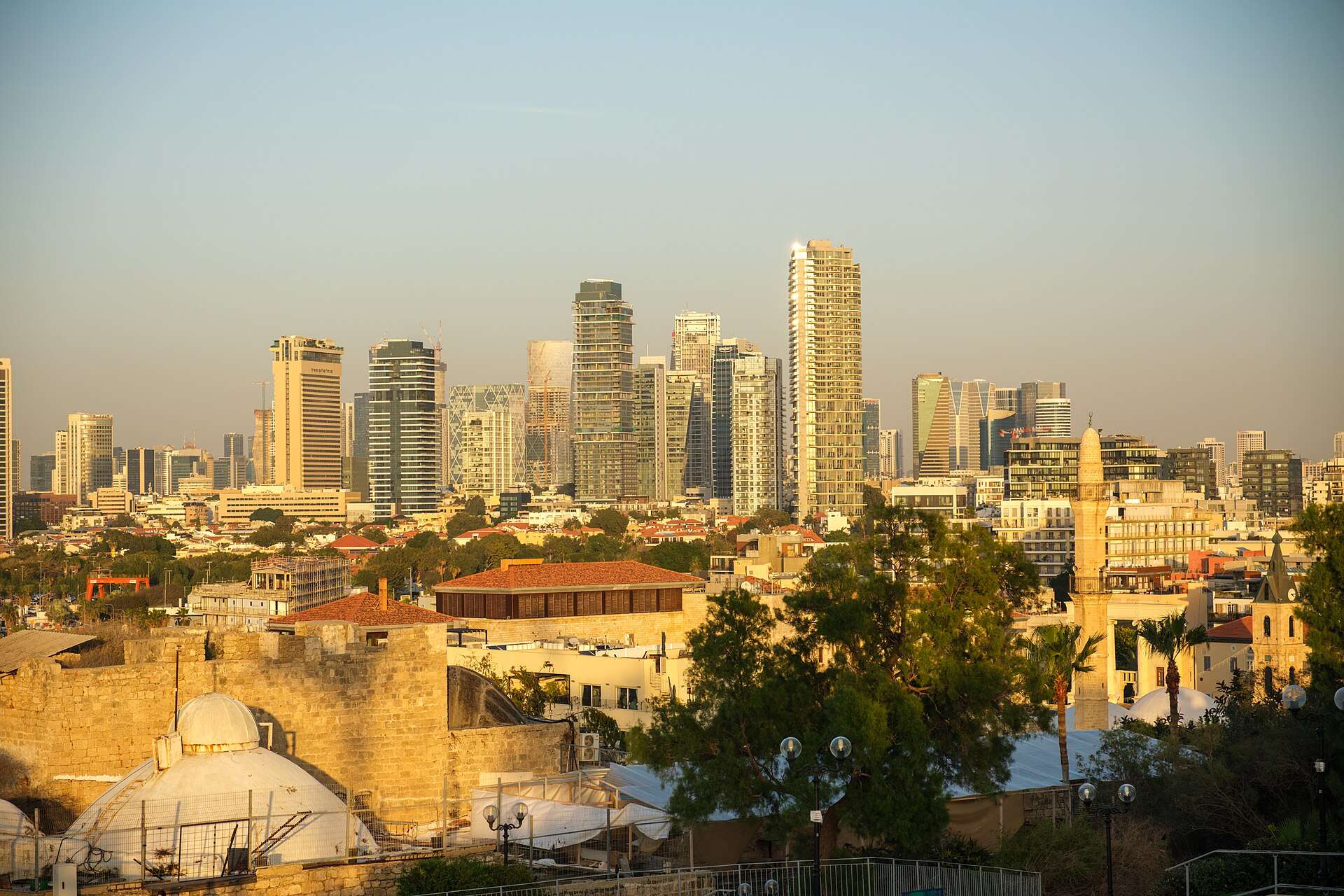
Restaurants and nightlife
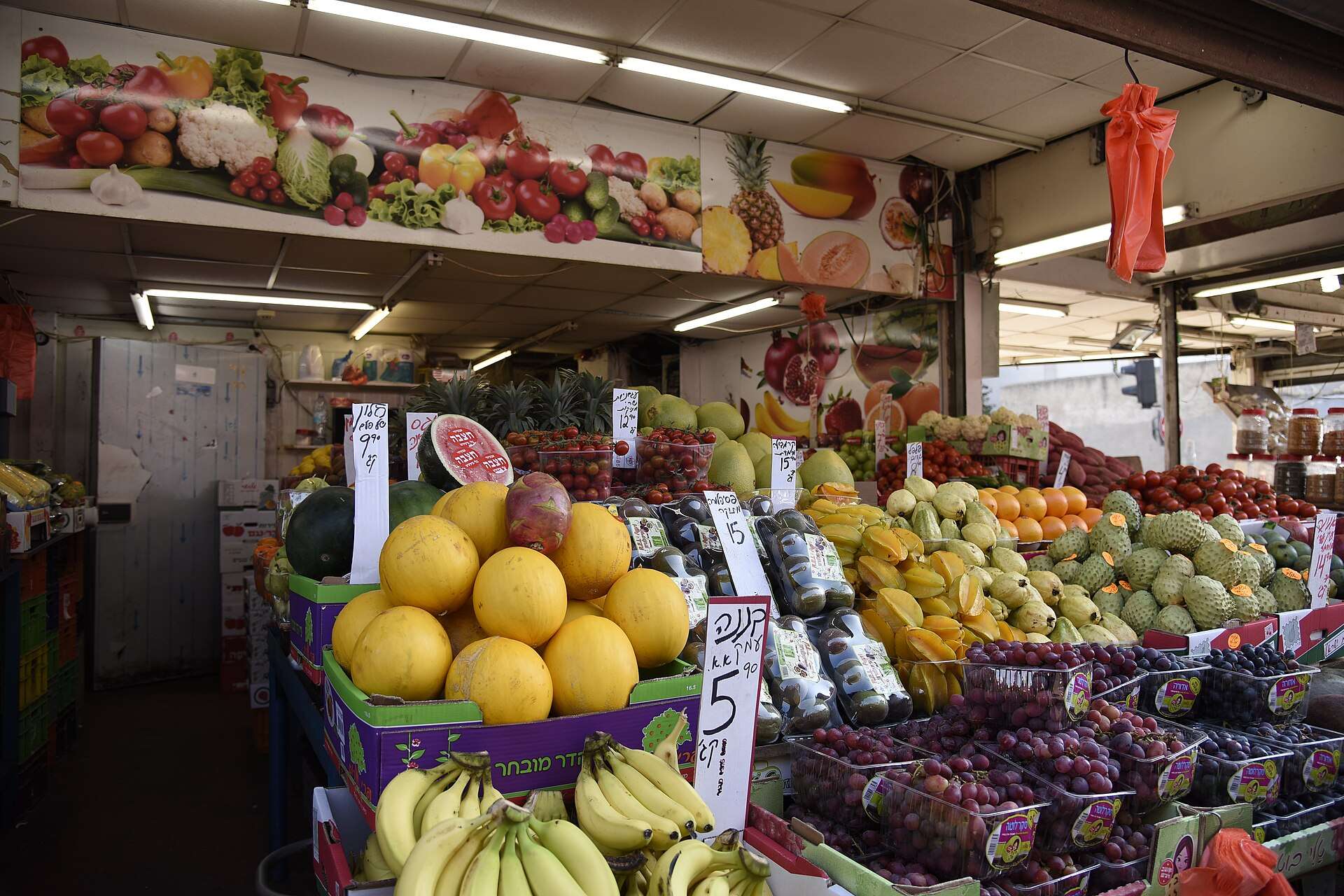
The range of restaurants is very wide: Israeli cuisine, world cuisines and more than a hundred sushi restaurants. The Carmel, HaTikva and Bezalel markets are part of daily life. Only some restaurants are kosher, mostly in the center and the north: check each one's certification according to your standards.
Shopping
The major shopping malls are Dizengoff Center, Azrieli and Ramat Aviv Mall. The Carmel market, on the edge of the center and Neve Tsedek, and the Jaffa flea market round out the offering. Supermarkets and local shops can be found in every neighborhood.
Sports and leisure
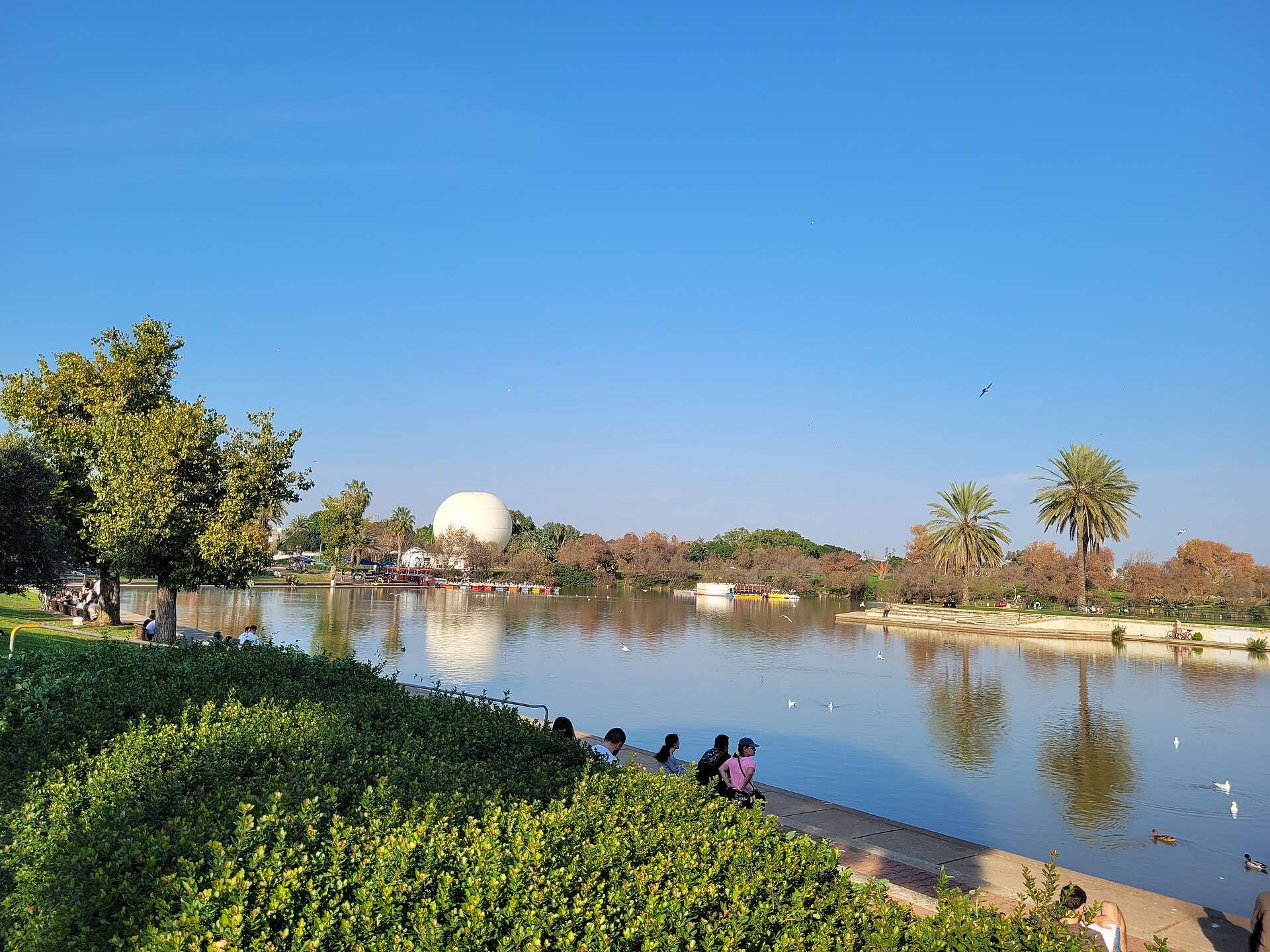
The sea first: lifeguarded beaches, including a separate beach for men and women at Nordau, and the seafront promenade. HaYarkon Park, in the north, is the most visited urban park in the country. For culture: the Museum of Art, the Eretz Israel Museum, ANU (Museum of the Jewish People), the Habima and Cameri theaters, the Opera and the Philharmonic Orchestra. More than 140 kilometers of bike lanes, bike sharing, and soccer and basketball clubs round out the offering.
Healthcare, schools and settling in
The city has two major hospitals: the Sourasky Medical Center (Ichilov) and Assuta, a private hospital. For routine care, make sure a clinic of your health fund is close to the home. Tel Aviv University, in the north, is the largest in the country. Nefesh B'Nefesh has a welcome center for new immigrants in the Azrieli towers, and the state funds Ulpans for learning Hebrew.
Neighborhoods
Where to look in Tel Aviv?
Three questions for a first shortlist. Do you want the sea within walking distance? The Old North, Neve Tsedek and Jaffa are close to the beaches. Older or new? The center and the Old North are made up of buildings from the 1930s and 1940s, often protected; new towers are being built mainly in the east. What atmosphere are you looking for? The south is livelier and more working-class; the north is quieter and more expensive.
Vieux Nord
By the sea · 1930s and 1940s
The residential neighborhood between the Yarkon, the sea and Ibn Gabirol Street, in the heart of the White City.
Daily life. Grid-pattern streets following Patrick Geddes's plan, tree-lined boulevards, Dizengoff Square, Rabin Square and City Hall, HaYarkon Park and the Tel Aviv Port to the north. The neighborhood extends to the sea.
Good to know. The buildings are old and many are protected: check the building's condition, the elevator, the safe room and what renovation work the preservation rules allow.
Housing. Mostly apartments in small modernist-style buildings; new construction is height-restricted.
Centre-ville
Not by the sea · 1920s to 1940s
Lev HaIr, the historic heart of the city, between Allenby Street, Rothschild Boulevard and King George Street.
Daily life. Rothschild Boulevard, Sheinkin Street, the Carmel market, Dizengoff Center, the Habima theater and the Philharmonic Orchestra's hall: everything is within walking distance. Offices and apartments still share many buildings.
Good to know. A dense, lively neighborhood. Many older buildings were not designed with a shelter: check this, as well as the building's condition and parking.
Housing. International-style and eclectic buildings, often three stories originally, many raised since; some have been renovated.
Neve Tsedek
By the sea · Since 1887
The first Jewish neighborhood built outside the walls of Jaffa, between Florentin and Charles Clore Park, by the sea.
Daily life. Narrow streets, restored low-rise houses, artists' studios, cafés and shops. The Suzanne Dellal Dance Center and the Collège français Marc-Chagall are in the neighborhood.
Good to know. The neighborhood draws many visitors. The city has approved towers and new roads nearby: find out about planned projects near the property.
Housing. Mostly low-rise houses and small restored older buildings; a sought-after, upscale neighborhood.
Florentin
Not by the sea · 1920s and 1930s
A former working-class neighborhood in the south, now the neighborhood of artists and young professionals.
Daily life. Cafés, bars, markets, artists' studios and murals. The neighborhood is also still an area of craftsmen and clothing and furniture wholesalers.
Good to know. It's a nightlife neighborhood: depending on the street, check evening noise and the building's condition.
Housing. Residential buildings, often with shops or workshops on the ground floor.
Jaffa
By the sea · Ancient city, joined to Tel Aviv in 1950
The former port city in the south, today a mixed Jewish and Arab city of about 52,000 residents.
Daily life. The restored Old City, the port, the flea market, galleries, theaters, restaurants and Givat Aliya beach. Churches and mosques bear witness to its history.
Good to know. Outside the Old City and renovated areas, many streets remain poor and underdeveloped: visit the specific neighborhood before choosing.
Housing. Prices have risen sharply with the renovation of Ajami, Noga and Lev Yafo; elsewhere, housing is more modest.
Yad Eliyahu
Not by the sea · Since 1945
A large residential neighborhood in the southeast, between the Ayalon Highway and Moshe Dayan Road.
Daily life. About 6,500 households, the Menora Mivtachim arena where Maccabi Tel Aviv basketball plays, Galit Park, pedestrian paths, several schools including a religious school, and a Chabad center.
Good to know. The neighborhood is bordered to the west by the Ayalon Highway: depending on the street, check the noise.
Housing. À l'origine des ensembles de petits appartements d'une à trois pièces, construits pour d'anciens soldats ; une population variée.
The listings counted are those whose advertiser specified the neighborhood; others remain visible across the whole city.
Housing
What budget, what kind of home?
In Tel Aviv, the neighborhood and the condition of the building affect the price as much as the size of the home: the north and the renovated neighborhoods of the south are significantly more expensive. The official averages below describe past sales and rentals; today's listings give the actual current price.
Since the 1990s, every new home must have its own safe room (mamad). In an older building, check during the visit that there is a mamad or a shared shelter: it's a real plus for everyday comfort.
| Size | Purchase | Rent / month |
|---|---|---|
| 1 to 2 rooms | 3.08 M₪≈ 852,000 € | 5,520 ₪≈ 1,530 € |
| 2.5 to 3 rooms | 3.77 M₪≈ 1,045,000 € | 7,160 ₪≈ 1,980 € |
| 3.5 to 4 rooms | 5.07 M₪≈ 1,405,000 € | 8,920 ₪≈ 2,470 € |
| 4.5 rooms or more | 6.80 M₪≈ 1,883,000 € | 11,430 ₪≈ 3,170 € |
Sales, Q3 2026, provisional; rents, Q3 2026. For 4.5 rooms or more, the average purchase price shown is for 4.5 to 5 rooms. Euros at the Bank of Israel rate of November 27, 2026, for guidance only.
Also budget for Arnona (municipal tax): for 100 m², from 390 to 1,160 ₪ per month depending on the zone. Purchase costs (purchase tax, lawyer, broker if any) can be worked out with our cost simulator.
Today in Tel Aviv: 0 property for sale, 0 rental and 19 new developments. By purchase budget:
Planning a move to Tel Aviv?
Describe what you're looking for: our French-speaking team will get back to you and also search beyond the listings. Free, with no commitment.
Figures come from official or identified sources and from listings published on Alloj Immobilier; when information is missing, we say so rather than estimate it. The advice is from our editorial team. Page updated November 27, 2026. Sources and credits