
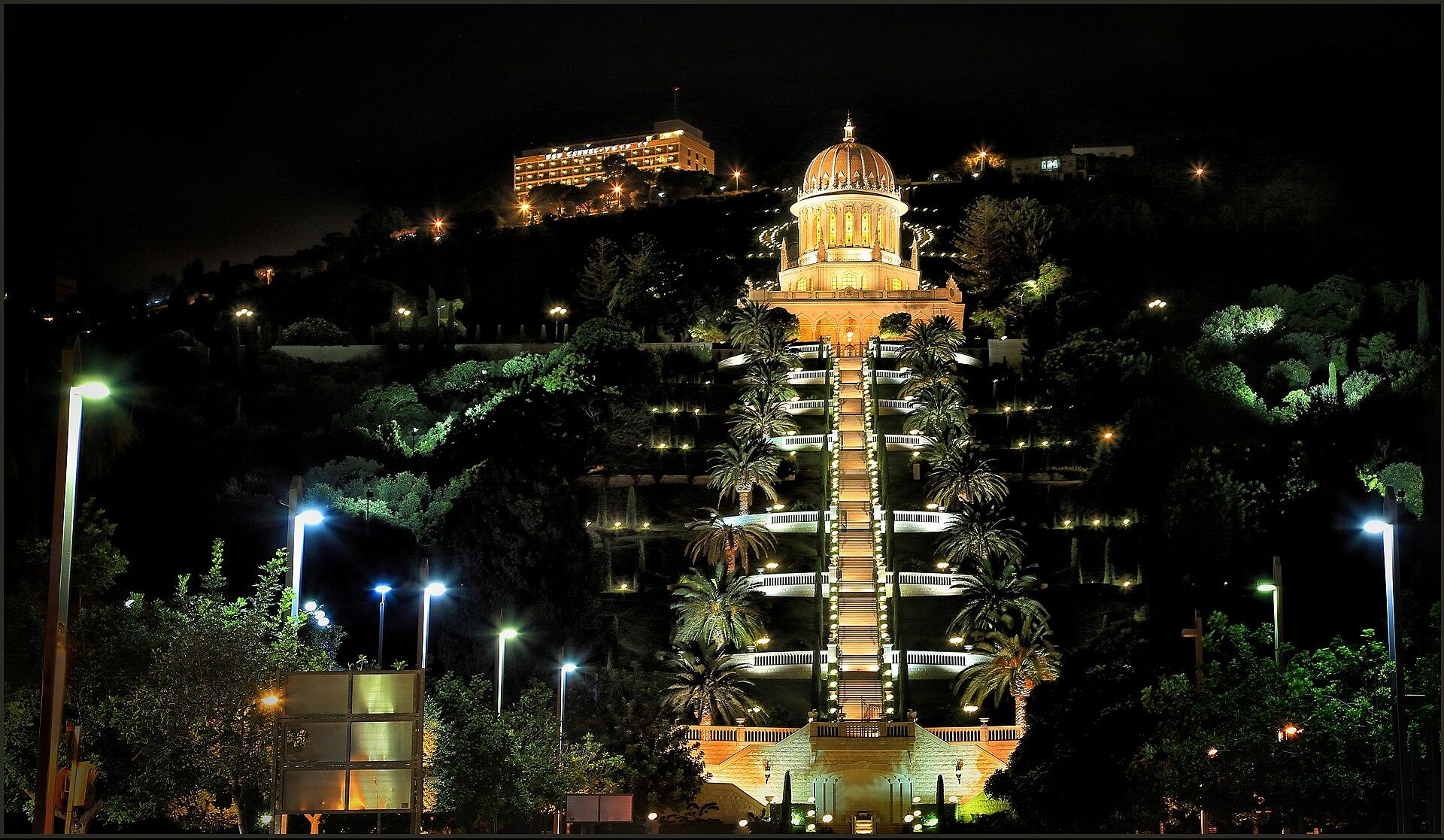
Haifa · חיפה
Living in Haifa
The major city of the North, built in tiers between the bay and Mount Carmel: a port, two universities, major hospitals and a wide range of transportation. Worth considering if you're looking for a big city by the sea, with rents below the national average.
Photo: Dani Lavi 0007, CC BY-SA 4.0
Average sale price 1.81 M₪ (Q3 2026, provisional) · average rent 3,440 ₪ per month · Tel Aviv 94 km away · 0 home available
What people love
- Six train stations in the city, an underground funicular (the Carmelit), a cable car to the Technion and the university, and buses on Shabbat.
- Major hospitals: Rambam, Bnai Zion and Carmel.
- The Technion, the University of Haifa and the Matam technology park.
Possible drawbacks
- Heavy industry is concentrated around the bay. In 2014, according to the Ministry of Environmental Protection, the Haifa refinery was the most polluting plant in the country. Look into air quality near the bay.
- The Carmel forest borders the city: in December 2010, a fire led to the temporary evacuation of the Denya neighborhood.
The city
Living in Haifa at a glance
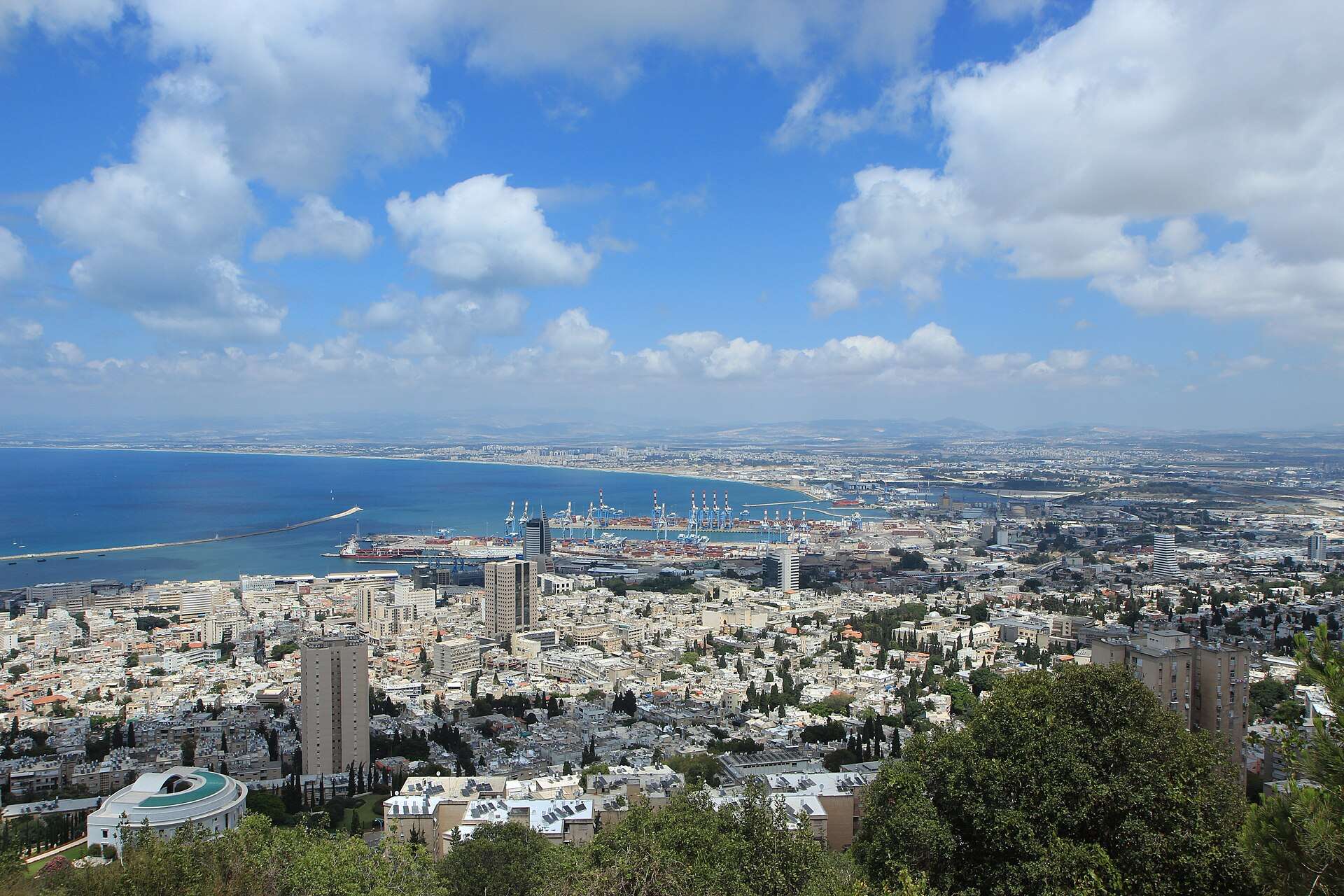
Haifa is built on three levels. At the bottom, the port, shops and industry, along the bay. Midway up the slope, the older neighborhoods. At the top, on Mount Carmel, newer neighborhoods with views of the bay and the Galilee.
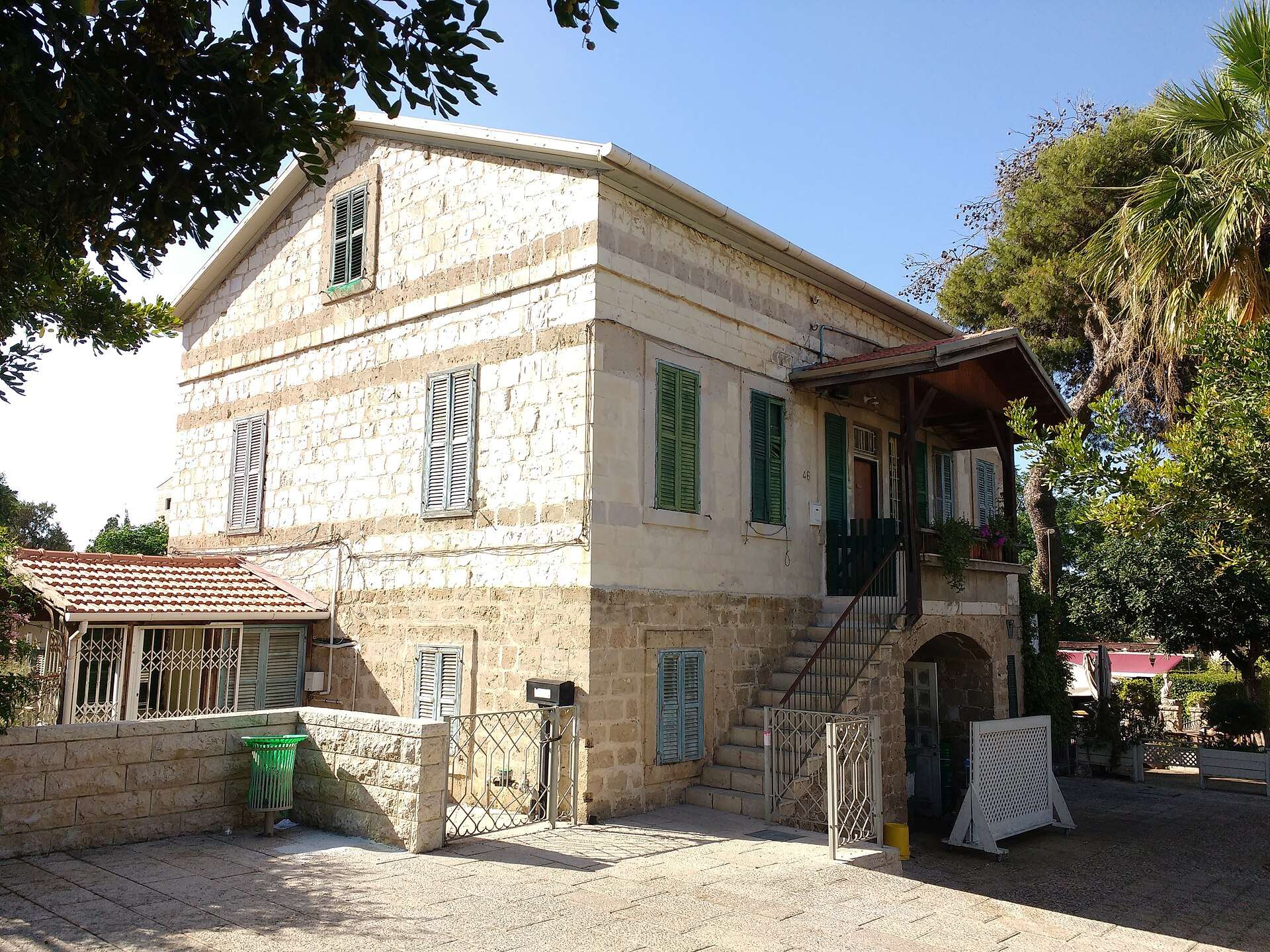
It is a mixed city, Jewish and Arab, known for its coexistence. The Bahá'í Gardens, a UNESCO World Heritage Site, cover part of the slope. Below them, the restored German Colony is lively in the evening.
Climate
The climate is Mediterranean, with high humidity year-round. Summers are hot, around 28 °C in the afternoon in August: air conditioning is essential.
Winters are mild, roughly 10 to 15 °C in January, and rain falls mostly from November to March. Snow is very rare.
People and languages
Haifa had about 289,500 residents in the 2022 census, with a median age of 37; one resident in five is 65 or older. Immigrants from the former USSR make up about a quarter of the population, and Russian is heard everywhere. About 14% of residents are Arab, mostly Christian.
Nefesh B'Nefesh reports a long-established English-speaking community; the Ahuza, Neve Sha'anan and Kiryat Shmuel neighborhoods are popular with new immigrants. Hebrew is still necessary for administration, work and school.
Economy and jobs
Haifa is a working city: a port, a refinery and a chemical industry on the bay. The Matam park, at the southern entrance, is one of the oldest technology parks in the country; Intel, Microsoft, Google, Apple and Amazon have offices or research centers there.
In the 2022 census, 29% of workers worked outside the city. Most residents live and work locally or in the metropolitan area.
Getting around
Six train stations along the bay connect Haifa to Tel Aviv, Ben Gurion Airport and Nahariya. In the city: the Carmelit, an underground funicular between the lower city and the Carmel; the Metronit, bus rapid transit lines; and a cable car to the Technion and the university. Buses run on Shabbat. In the 2022 census, 32% of households had no car. From the center, by road and without traffic:
| Destination | Distance | By car |
|---|---|---|
| Tel Aviv | 94 km | ≈ 80 min |
| Ben Gurion Airport | 110 km | ≈ 85 min |
| Jerusalem | 150 km | ≈ 110 min |
| Netanya | 65 km | ≈ 55 min |
| Hadera | 53 km | ≈ 45 min |
| Acre | 24 km | ≈ 25 min |
| Nazareth | 39 km | ≈ 35 min |
| Tiberias | 62 km | ≈ 50 min |
Theoretical travel times without traffic, calculated with OpenStreetMap on November 23, 2026: at rush hour, expect it to often take considerably longer. Tap a destination for the train or bus route with current schedules.
Daily life
Eating out, shopping, having fun
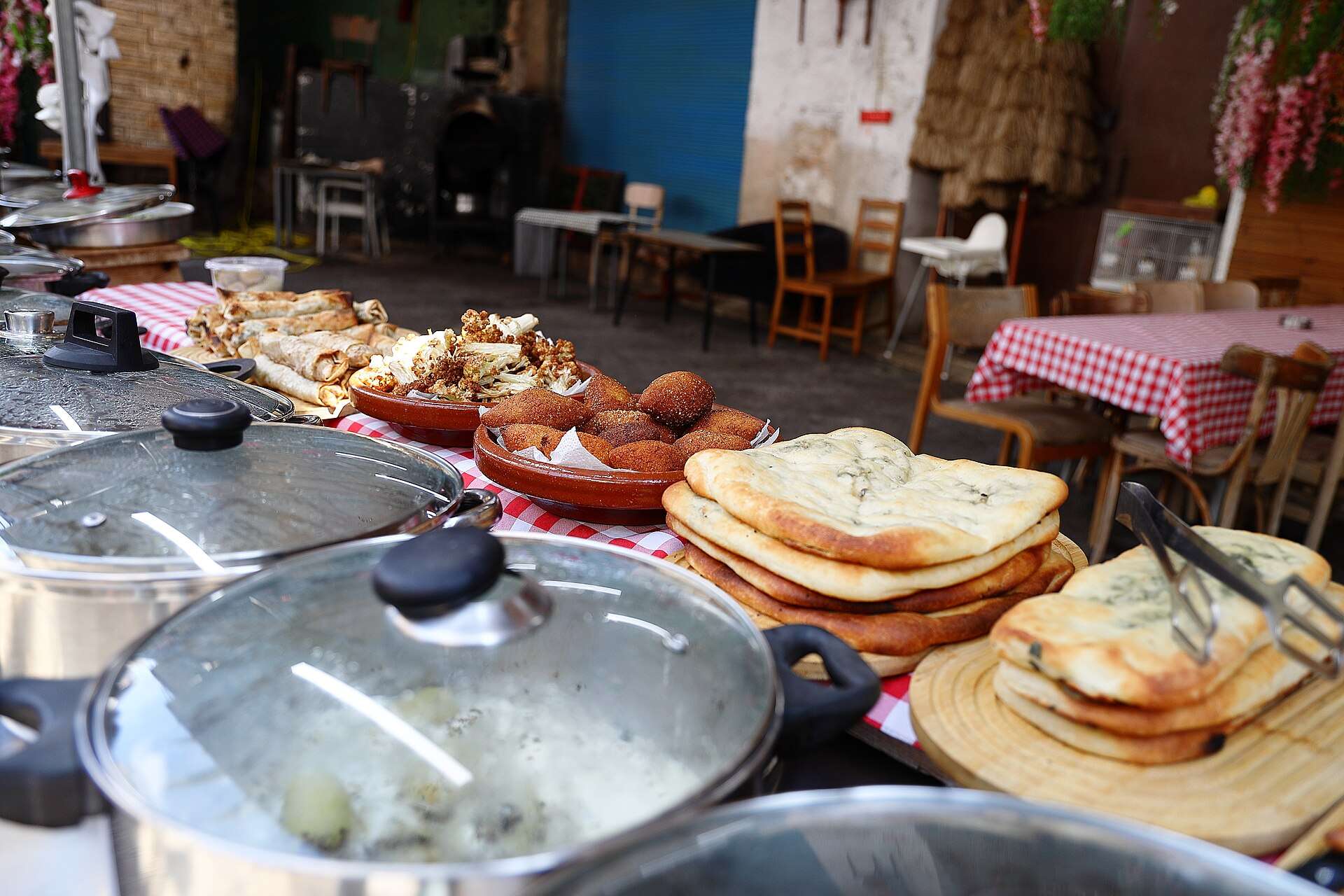
Restaurants and nightlife
The German Colony and central Carmel are home to most of the cafés and restaurants. Haifa is also a center of Arab culture in Israel: many cafés and restaurants run by Arab Israelis bring life to the lower city, including Wadi Nisnas. Some restaurants are kosher and some are not: check the certification according to your requirements.
Shopping
Several large shopping malls: the Grand Kanyon in Neve Sha'anan, Hutsot Hamifratz and Lev Hamifratz near the bay, the Horev Center in Ahuza, the Panorama and the Castra. The Talpiot market brings life to Hadar. Supermarkets and local shops are found in every neighborhood.
Sports and leisure
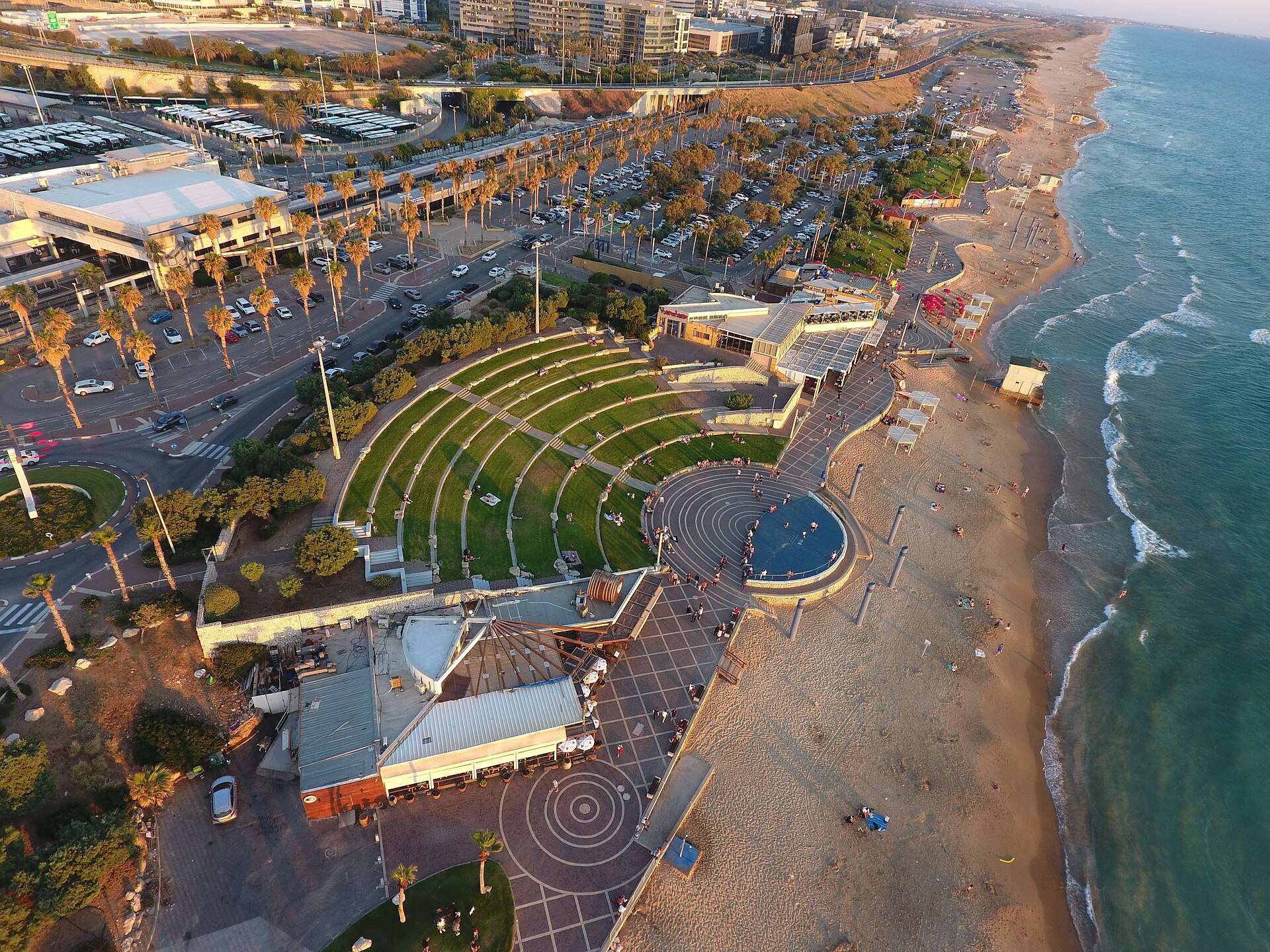
Several lifeguarded beaches, from Bat Galim to Kiryat Haim, and a promenade on the Carmel overlooking the bay. Carmel National Park begins at the city's doorstep. On the cultural side: the municipal theater, the symphony orchestra, the cinematheque and its film festival during Sukkot, and a dozen museums, including the Madatech science museum. Maccabi and Hapoel Haifa play at Sammy Ofer Stadium, which seats more than 30,000.
Healthcare, schools and settling in
Rambam, the city's largest hospital, Bnai Zion and Carmel provide most care; also check that a clinic of your health fund is close to your home. Schools are numerous and varied: identify the ones that suit your children before choosing a neighborhood. According to Nefesh B'Nefesh, the city offers new immigrants Arnona (municipal tax) discounts and free access to municipal museums, and there is an Ulpan in the city.
Neighborhoods
Where to look in Haifa?
Three questions to narrow down your first choices. Up the hill or down below? The Carmel neighborhoods are quieter and more expensive; the lower city and Hadar are older and more mixed. Where do you work? If it's in Tel Aviv, being close to a train station matters. What kind of religious life do you want around you? Some neighborhoods are secular, others ultra-Orthodox, others Arab.
Le Carmel (Merkaz HaCarmel)
Not by the sea · Since the 1920s
The upper-city neighborhood, around HaNassi Avenue and Merkaz HaCarmel, with views of the bay.
Daily life. Cafés, restaurants and shopping centers along HaNassi Avenue, Gan HaEm park and the zoo, museums, the auditorium and the cinematheque. The neighborhood has a reputation for good schools. Two Carmelit stations connect it to the lower city.
Good to know. Central Carmel has many older residents, and prices there have become difficult for young households. Since 2012, new buildings taller than nine stories have been banned on the Carmel.
Housing. Older apartment buildings in the center; in Carmeliya, terraced houses on the slopes; Vardiya, built mostly in the 1990s, is newer.
Ahuza et Ramot HaCarmel
Not by the sea · Since 1925
The residential heart of the Carmel ridge, south of central Carmel, with Denya and nearby neighborhoods.
Daily life. The Horev shopping center, with a medical center, Carmel Hospital to the west, the Beit Biram campus of the Reali School to the south, and places to go out around David HaCohen Square. Nefesh B'Nefesh lists Ahuza among the neighborhoods popular with new immigrants.
Good to know. Horev Square is one of the most congested intersections in the city. Denya, on the edge of the forest, is exposed to wildfires.
Housing. Apartment buildings in Ahuza; in Denya and nearby neighborhoods, mostly houses on large lots (an average of 154 m² per home in 2008).
Neve Sha'anan
Not by the sea · Since 1922
A large group of neighborhoods to the east, on the slope of the Carmel, next to the Technion campus.
Daily life. About 58,000 residents in 2022, from all backgrounds. The Grand Kanyon, a large shopping mall, is in the neighborhood, very close to the exit of the Carmel Tunnels. Nefesh B'Nefesh lists it among the neighborhoods popular with new immigrants.
Good to know. The eastern streets, with no natural shelter, are exposed to pollution coming from the bay. Demolition-and-rebuild projects are underway: find out what is planned around the property.
Housing. Very varied housing: houses on large lots, small buildings with tiled roofs, 1950s apartment buildings and recent towers.
Hadar HaCarmel
Not by the sea · Depuis le début du XXe siècle
The city's old commercial center, midway up the slope between the port and the Carmel.
Daily life. The Talpiot market, the Haifa Theater, the Madatech science museum and three Carmelit stations. About 37,200 residents, many of them Russian speakers. Bnai Zion Hospital is in the upper part of the neighborhood.
Good to know. A neighborhood in transition and very mixed: Geula and Ramat Vizhnitz, to the east, are largely ultra-Orthodox. In older buildings, check the condition of the building and the elevator.
Housing. Mostly older buildings, including more than 1,400 International Style buildings inspired by the Bauhaus.
Bat Galim
By the sea · Since the 1920s
A neighborhood at the foot of the Carmel, by the sea, known for its promenade and sandy beaches.
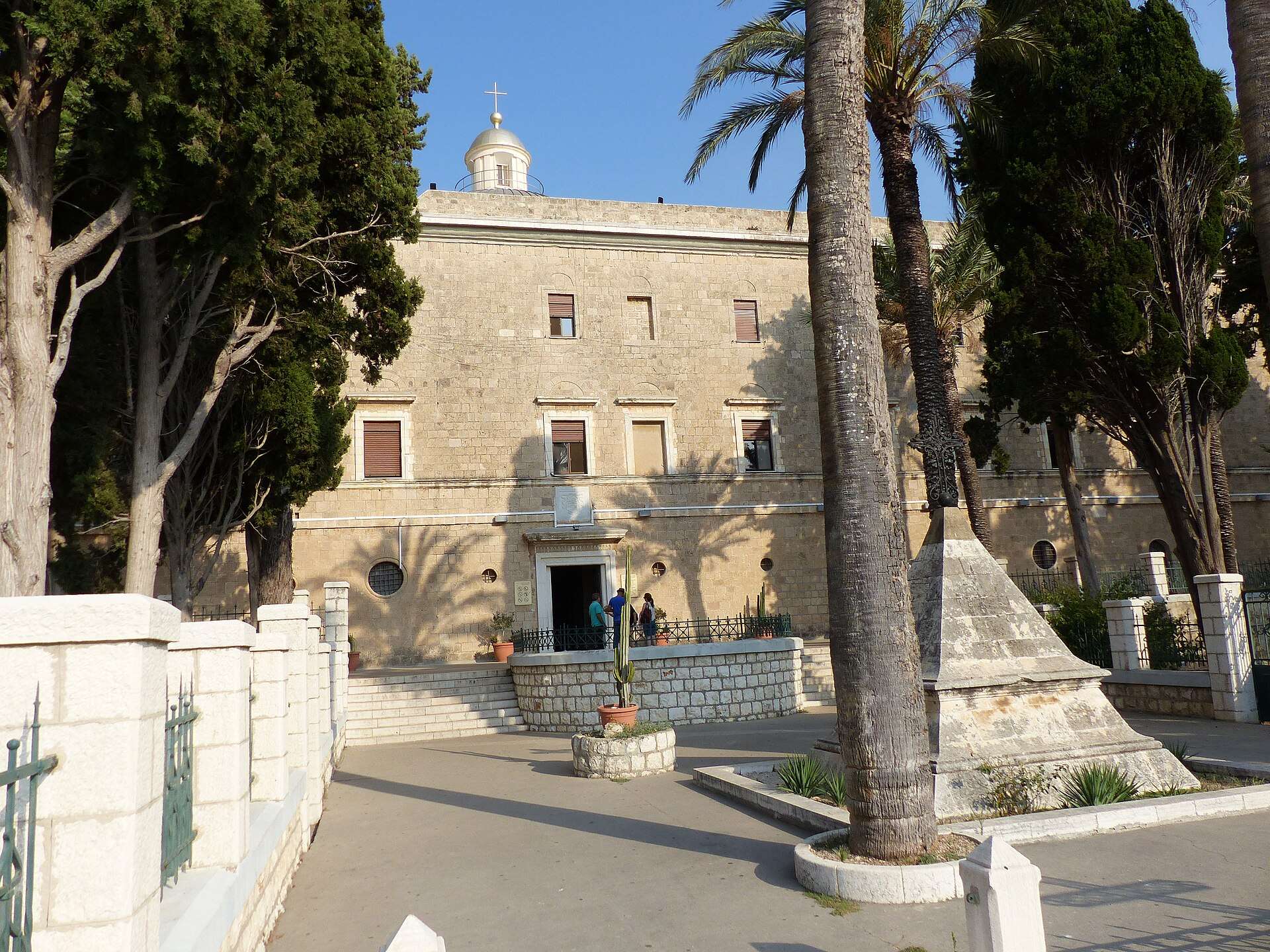
Daily life. Three lifeguarded beaches, year-round surfing, Rambam Hospital and the Technion's faculty of medicine to the north, a train station and the cable car to Stella Maris. Artists open their studios to the public every September.
Good to know. A very mixed neighborhood, where social conditions vary from one street to the next: visit before choosing.
Housing. Originally a garden city of single-family homes designed by architect Richard Kauffmann.
Kiryat Haim et Kiryat Shmuel
By the sea · Since the 1930s
Two neighborhoods in the north of the city, on the bay, bordering the Krayot cities.
Daily life. Kiryat Haim, about 27,000 residents in 2008, has its own beach, promenade, train station and shopping street. Kiryat Shmuel, one kilometer from the coast, is an Orthodox neighborhood, listed by Nefesh B'Nefesh among the neighborhoods popular with new immigrants.
Good to know. Far from the Carmel and the center: check the commute. In Kiryat Shmuel, streets are closed to cars on Shabbat.
Housing. In Kiryat Haim East, original single-family homes, partly replaced by denser apartment buildings.
The listings counted are those whose advertiser specified the neighborhood; others remain visible across the whole city.
Housing
What budget, what kind of home?
In Haifa, prices depend on the size of the home, but also very much on the neighborhood: compare listings neighborhood by neighborhood. The official averages below describe past sales and rentals; today's listings show the actual current price.
Since the 1990s, every new home must have its own safe room (mamad). In an older building, check during the visit that there is a mamad or a shared shelter: it's a real plus for everyday comfort.
| Size | Purchase | Rent / month |
|---|---|---|
| 1 to 2 rooms | 0.93 M₪≈ 258,000 € | 2,480 ₪≈ 690 € |
| 2.5 to 3 rooms | 1.31 M₪≈ 363,000 € | 3,140 ₪≈ 870 € |
| 3.5 to 4 rooms | 1.89 M₪≈ 525,000 € | 4,100 ₪≈ 1,140 € |
| 4.5 rooms or more | 2.77 M₪≈ 767,000 € | 5,500 ₪≈ 1,520 € |
Sales, Q3 2026, provisional; rents, Q3 2026. For 4.5 rooms or more, the average purchase price shown is for 4.5 to 5 rooms. Euros at the Bank of Israel rate of November 27, 2026, for guidance only.
Today in Haifa: 0 property for sale, 0 rental and 0 new development. By purchase budget:
Planning a move to Haifa?
Describe what you're looking for: our French-speaking team will get back to you and also search beyond the listings. Free, with no commitment.
Figures come from official or identified sources and from listings published on Alloj Immobilier; when information is missing, we say so rather than estimate it. The advice is from our editorial team. Page updated November 27, 2026. Sources and credits