
Center · פתח תקווה
Living in Petah Tikva
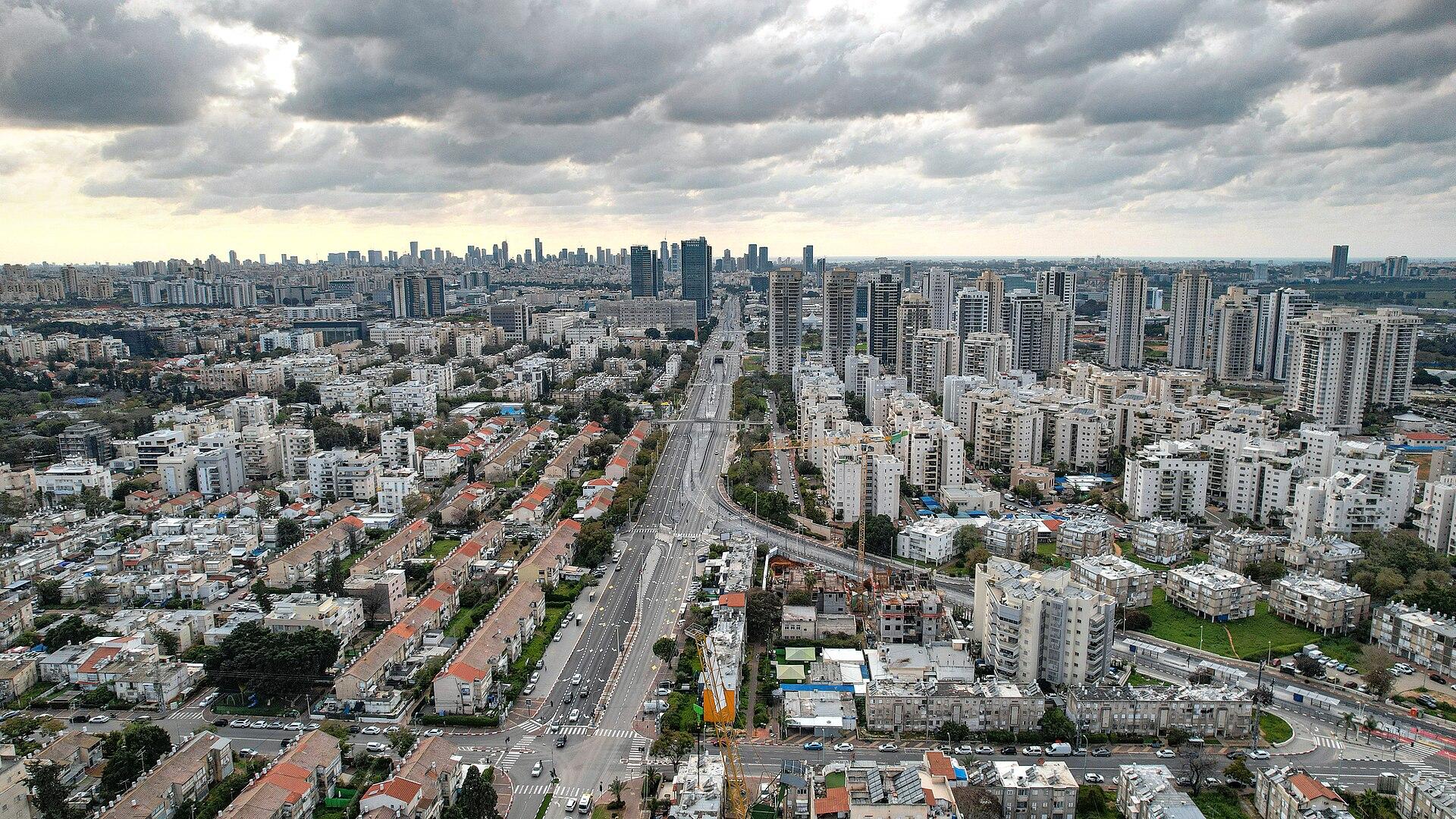
A large residential city about ten kilometers east of Tel Aviv, connected by light rail. Worth considering if you work in central Israel and are looking for newer neighborhoods without Tel Aviv prices.
Photo: Ynhockey, CC BY-SA 4.0
Average sale price 2.52 M₪ (Q3 2026, provisional) · average rent 5,220 ₪ per month · Tel Aviv 11 km away · 1 home available
What people love
- Rabin Medical Center (Beilinson and HaSharon) and Schneider Children's Hospital are in the city.
- The Red Line of the light rail connects the city to Ramat Gan, Tel Aviv and Bat Yam.
- A large local job market: three business parks and the headquarters of major companies.
Possible drawbacks
- The average rent here is slightly above the national average, according to the Bureau of Statistics.
- Major construction and renewal projects are underway (Ramat Verber, the former Sirkin base): find out about construction sites around the property.
The city
Living in Petah Tikva at a glance
Petah Tikva est la plus ancienne des moshavot, ces villages agricoles fondés à la fin du XIXe siècle : on l'appelle « la mère des moshavot ». Elle a été fondée en 1878 dans les marais de la vallée du Yarkon, et elle est devenue une ville en 1937.
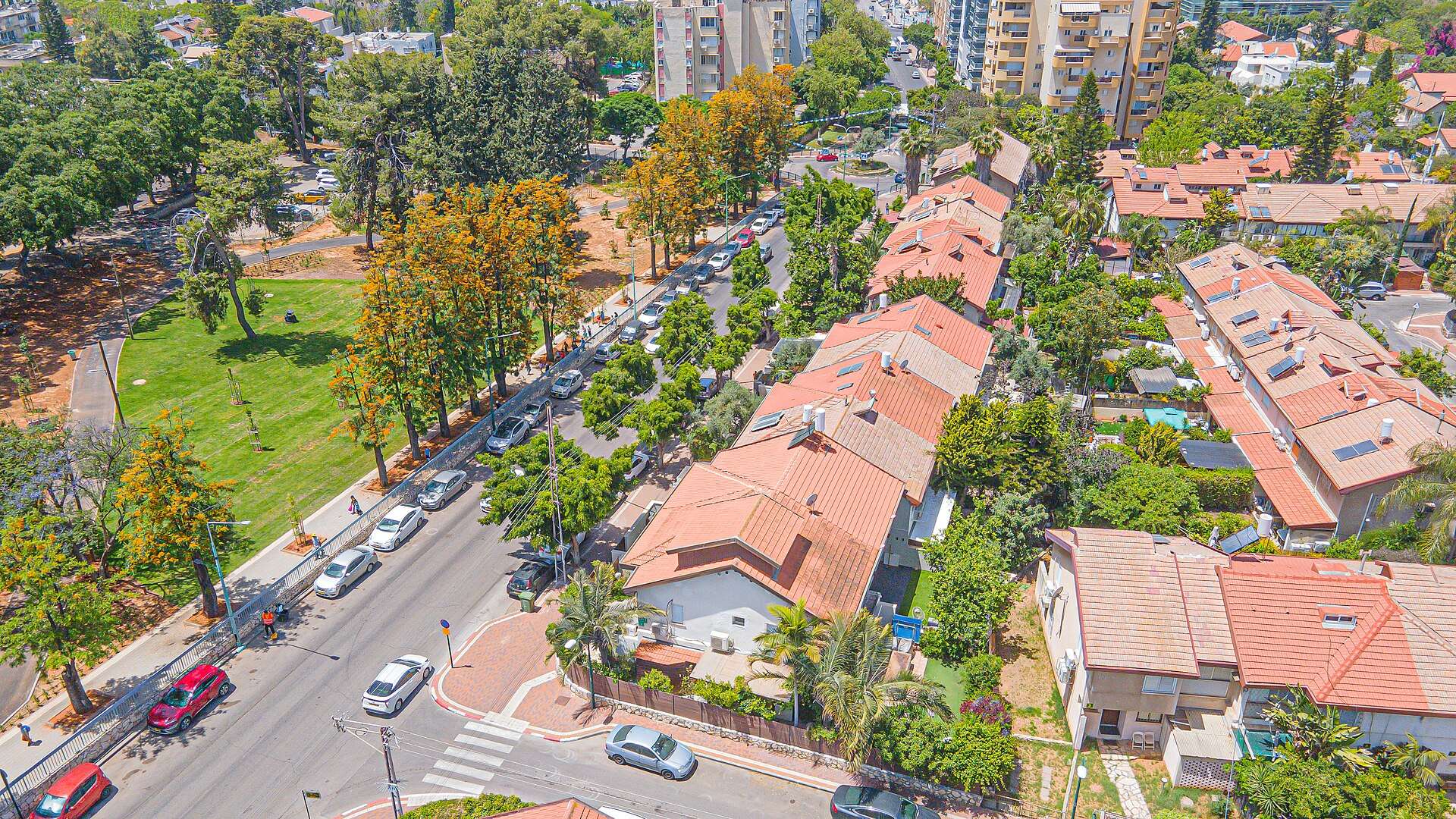
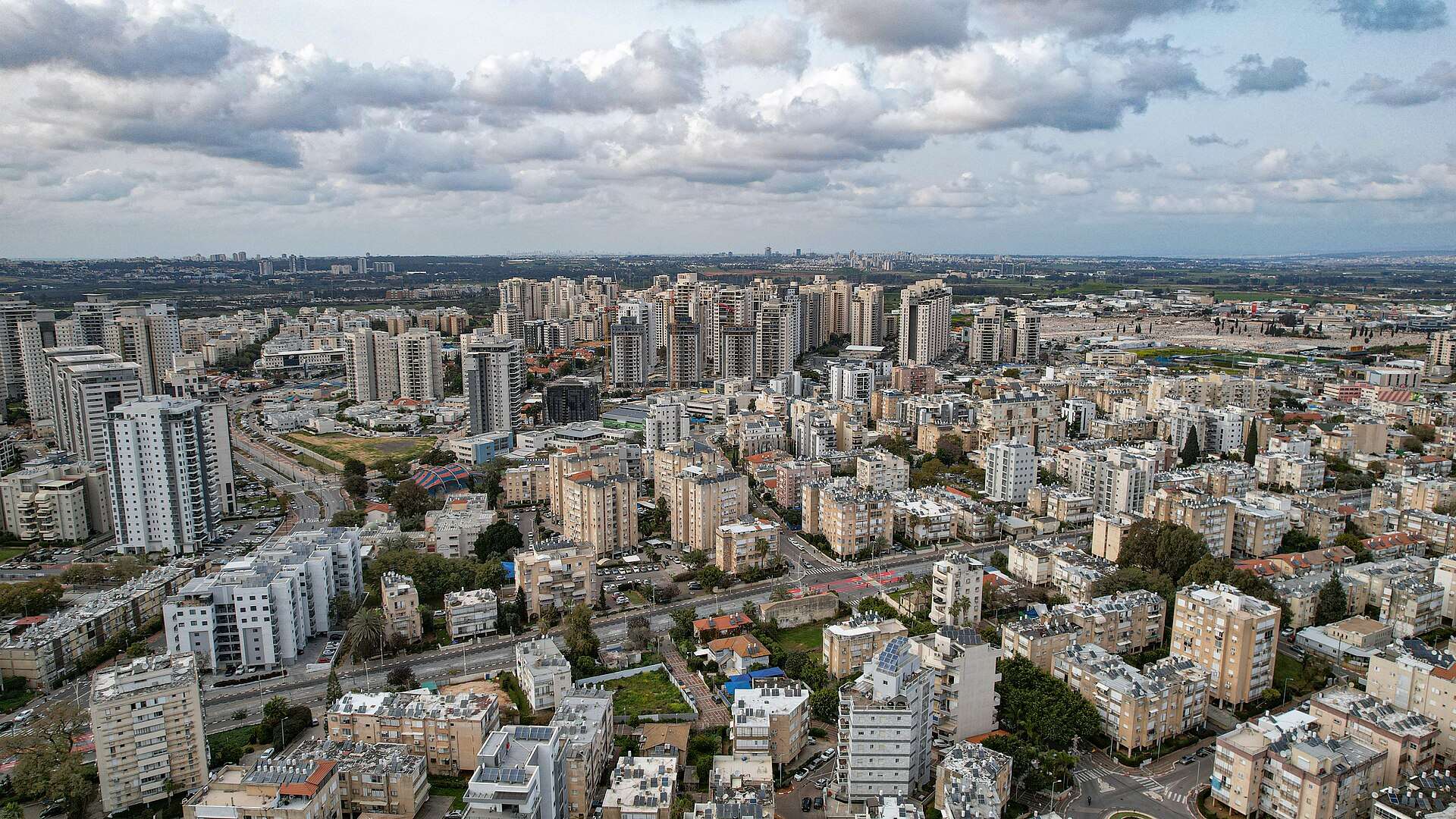
C'est aujourd'hui une grande ville du Goush Dan, l'agglomération de Tel Aviv. Le centre ancien est commerçant ; autour, des quartiers résidentiels de toutes les époques, des zones d'activité et de nombreuses tours récentes, notamment au nord-ouest.
Climate
The city is about ten kilometers from the sea. From June to September, it is hot, around 31 to 32 °C in the afternoon: air conditioning is essential.
Winter is mild, roughly between 9 and 17 °C in January, and rain falls mostly from November to March. Spring and fall are the most pleasant seasons.
People and languages
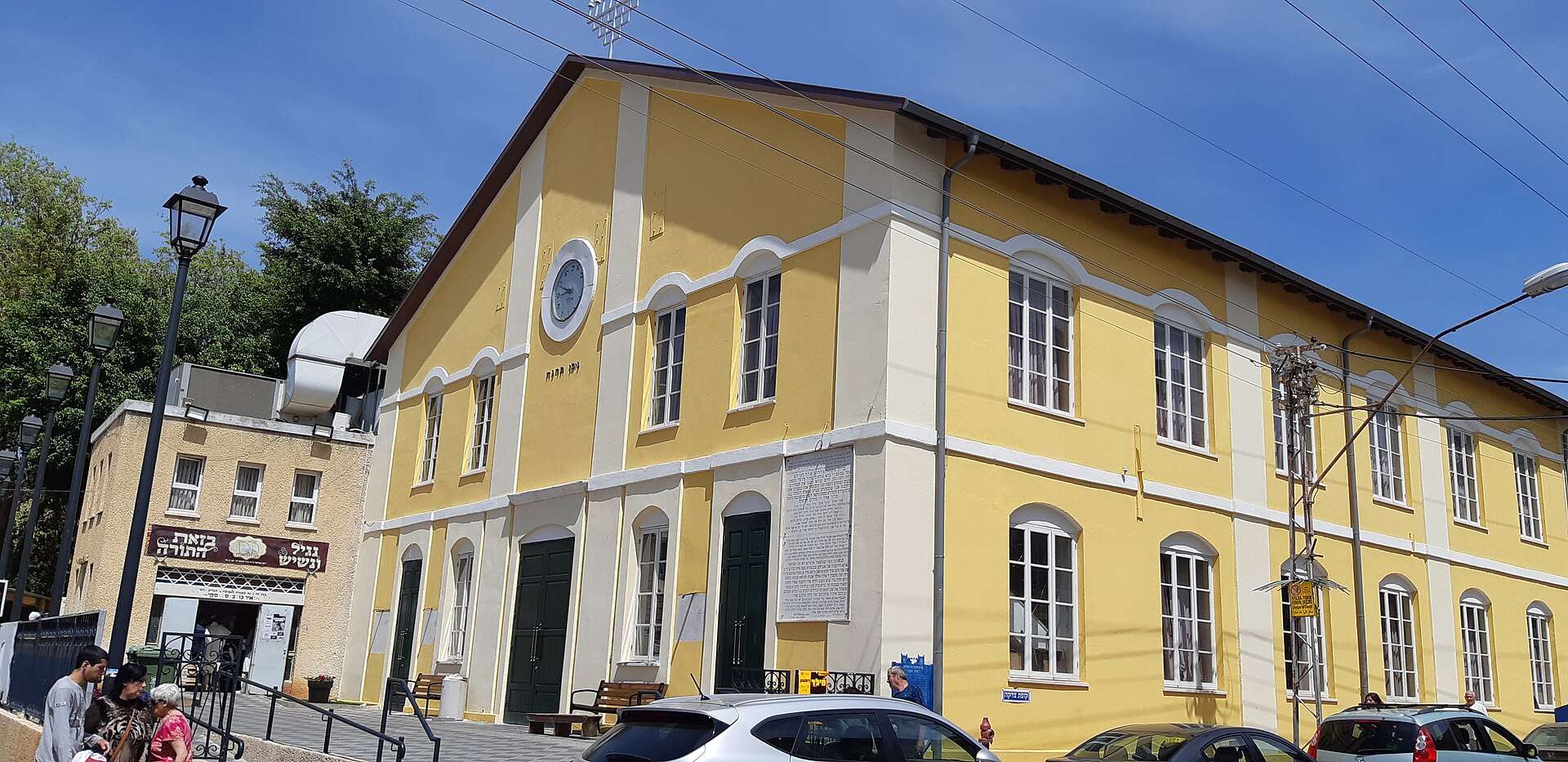
Petah Tikva had about 264,000 residents in the 2022 census, with a median age of 35. It is the country's fourth-largest city by population. Residents come from all backgrounds and all levels of religious observance; about 40% of the population is religious or ultra-Orthodox, and the city has more than 300 synagogues.
According to Nefesh B'Nefesh, immigrants live throughout the city, with no particular neighborhood. Hebrew is still necessary for administration, work and school.
Economy and jobs
Petah Tikva is one of the country's leading industrial hubs. It has three major business zones: Kiryat Aryeh to the west, Segula to the northeast and Kiryat Matalon. They are home to high-tech companies and the headquarters of the Strauss group.
Many residents work elsewhere: in the 2022 census, 49% of workers were employed outside the city. If you work in Tel Aviv, check the distance to the light rail or a train station.
Getting around
Two train stations, Segula and Kiryat Aryeh, connect the city to the rail network. The Red Line of the light rail starts at the central bus station and runs down Jabotinsky Street toward Bnei Brak, Ramat Gan and Tel Aviv. Routes 4, 5 and 6 run alongside the city. From the center, by road and without traffic:
| Destination | Distance | By car |
|---|---|---|
| Tel Aviv | 11 km | ≈ 15 min |
| Ben Gurion Airport | 17 km | ≈ 20 min |
| Jerusalem | 60 km | ≈ 55 min |
| Ramat Gan | 9 km | ≈ 15 min |
| Herzliya | 16 km | ≈ 20 min |
| Netanya | 38 km | ≈ 35 min |
| Rishon LeZion | 20 km | ≈ 20 min |
| Modiin | 29 km | ≈ 25 min |
| Haifa | 95 km | ≈ 70 min |
Theoretical travel times without traffic, calculated with OpenStreetMap on November 23, 2026: at rush hour, expect it to often take considerably longer. Tap a destination for the train or bus route with current schedules.
Daily life
Eating out, shopping, having fun
Restaurants and nightlife
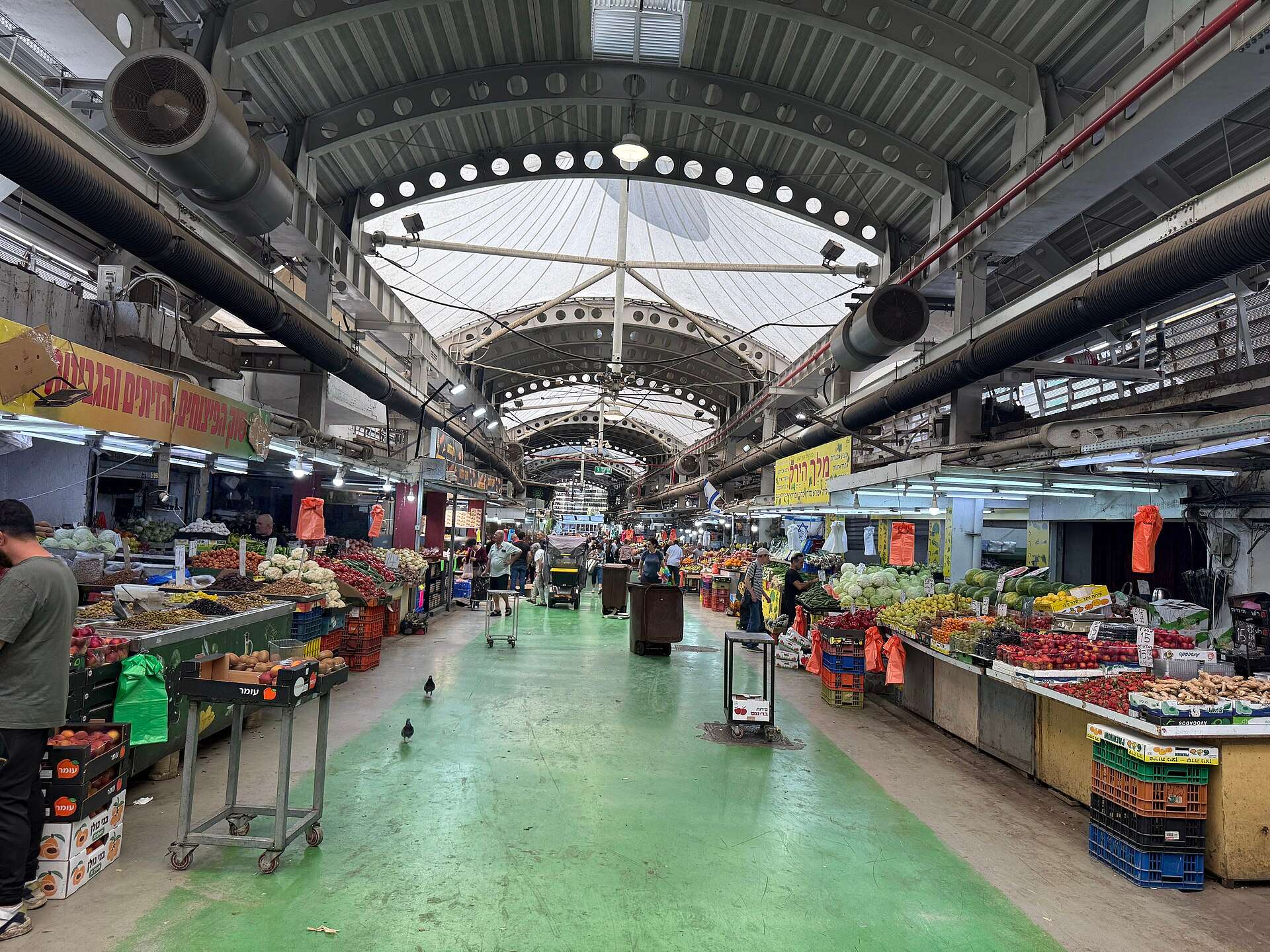
Going out is concentrated in the city center and in the shopping malls. The Petah Tikva market, around Baron Hirsch Street, mainly sells food, fruit and vegetables. Some of the restaurants are kosher; check the certification according to your standards.
Shopping
The Grand Mall (HaKanyon HaGadol), opened in 1999 on Jabotinsky Street across from Beilinson Hospital, receives about 25,000 visitors a day according to its management. There are also the Sirkin shopping center, the Segula Power Center and the y Center in Kiryat Matalon. Every neighborhood has its own supermarkets and local shops.
Sports and leisure
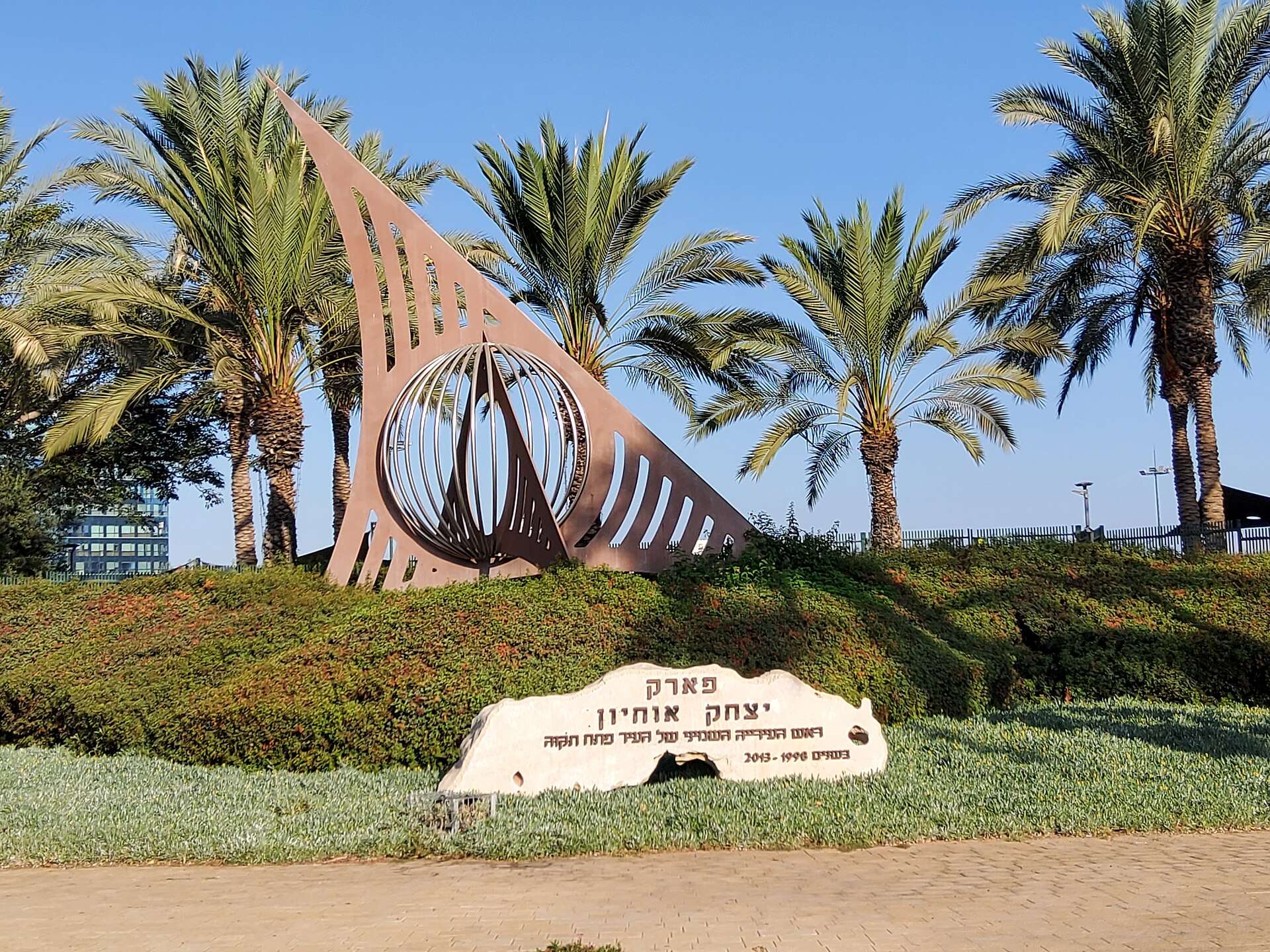
For families: Yitzhak Ohayon Park, across from the Grand Mall, with a lake; Yad LeBanim Park and the municipal zoo in Ramat Verber; a large park has been developed along the Yarkon, to the north. For culture: the Dov Tabori cultural center (concerts and theater) and the art museum. HaMoshava Stadium has 11,500 seats; two soccer clubs play in the top division, Hapoel and Maccabi.
Healthcare, schools and settling in
The city has six hospitals, including Rabin Medical Center (Beilinson and HaSharon) and Schneider, the country's largest children's hospital; for routine care, make sure a clinic of your health fund is close to the home. About 300 schools, public, religious and ultra-Orthodox, serve more than 43,000 students: identify the ones that suit your children before choosing a neighborhood. An Ulpan and an employment center for immigrants (Maof Olim) operate in the city.
Neighborhoods
Where to look in Petah Tikva?
Three questions for a first shortlist. Where do you work? If it's in Tel Aviv, being close to the light rail or a train station comes first. New or older? The northwest has most of the recent towers, while the center and south offer more resale properties. What kind of religious life do you want around you? Some neighborhoods are almost entirely religious.
Centre-ville
Historic center
The heart of the oldest moshava, around Founders Square.
Daily life. The Baron Hirsch Street market, the shops and the central bus station, where the light rail Red Line to Tel Aviv begins. Founders Square was renovated in 2008.
Good to know. A lively, dense neighborhood: check the noise, the condition of the building, the elevator and parking.
Housing. The neighborhood's listings give an idea of the homes available.
Em HaMoshavot
A northwest neighborhood in two parts: the older Em HaMoshavot and the new one.
Daily life. Schools in the neighborhood, including Ahad HaAm High School and a branch of the Open University, local shops, with the Grand Mall and Yitzhak Ohayon Park very close by. Kiryat Aryeh station and Routes 4 and 5 are nearby.
Good to know. The Kiryat Aryeh industrial zone is west of the neighborhood.
Housing. In the older part, 5- to 7-story buildings surrounded by gardens; in the newer part, about 19,000 residents in towers of 9 to 23 stories.
Neve Gan
Since the late 1990s
A sought-after residential neighborhood in the northwest, with about 17,000 residents.
Daily life. About forty kindergartens, two elementary schools and one secondary school, a large central park, a eucalyptus grove and the Sportan, the city's large country club. The light rail Red Line runs along the south of the neighborhood.
Good to know. Construction is getting denser: find out about planned projects around the property.
Housing. Initially 8- to 9-story buildings; recent construction rises to 16 stories and more.
Ramat Verber
A neighborhood of about 10,000 residents, in the midst of urban renewal.
Daily life. Yad LeBanim Park, designed in the early 1950s, and the municipal zoo are in the neighborhood.
Good to know. A renewal plan approved in 2020 calls for about 3,600 new homes: expect construction for several years.
Housing. The renewal plan calls for towers of up to 28 stories.
Kfar Ganim
Since 1926
The large southwest neighborhood, next to Kiryat Ono and Givat Shmuel.
Daily life. Three parts: Kfar Ganim A, the oldest, with HaSharon Hospital; Kfar Ganim B, built mostly in the 1980s; Kfar Ganim C, built in the early 2000s on former orchards. Route 471 leads quickly to Route 4.
Good to know. Single-family houses, especially in Bat Ganim, command high prices: a lot in the neighborhood sold for 25.3 million shekels in July 2025.
Housing. Mid-rise buildings in Kfar Ganim B; buildings of up to 9 stories and houses in Kfar Ganim C; only single-family houses in Bat Ganim.
Hadar Ganim et Amishav
Since 1951 (Amishav)
A southeast neighborhood of about 23,000 residents, overwhelmingly religious.
Daily life. Religious schools and secondary schools, shopping centers, a swimming pool, a library, a health fund clinic and a city hall branch office. The Gani HaDar area is mostly ultra-Orthodox.
Good to know. Secular life has almost disappeared here: visit before choosing. The nearby former Sirkin military base is slated for about 12,000 homes.
Housing. Mostly dense buildings, towers with balconies designed for the sukkah, and rows of houses.
The listings counted are those whose advertiser specified the neighborhood; others remain visible across the whole city.
Housing
What budget, what kind of home?
In Petah Tikva, prices vary mainly with the size of the home, the neighborhood and the age of the building. The official averages below describe past sales and rentals; today's listings give the actual current price.
Since the 1990s, every new home must have its own safe room (mamad). In an older building, check during the visit that there is a mamad or a shared shelter: it's a real plus for everyday comfort.
| Size | Purchase | Rent / month |
|---|---|---|
| 1 to 2 rooms | Too few sales | 3,390 ₪≈ 940 € |
| 2.5 to 3 rooms | 1.98 M₪≈ 549,000 € | 4,240 ₪≈ 1,170 € |
| 3.5 to 4 rooms | 2.46 M₪≈ 681,000 € | 5,400 ₪≈ 1,500 € |
| 4.5 rooms or more | 3.11 M₪≈ 862,000 € | 7,190 ₪≈ 1,990 € |
Sales, Q3 2026, provisional; rents, Q3 2026. For 4.5 rooms or more, the average purchase price shown is for 4.5 to 5 rooms. Euros at the Bank of Israel rate of November 27, 2026, for guidance only.
Today in Petah Tikva: 0 property for sale, 0 rental and 1 new development. By purchase budget:
Planning a move to Petah Tikva?
Describe what you're looking for: our French-speaking team will get back to you and also search beyond the listings. Free, with no commitment.
Figures come from official or identified sources and from listings published on Alloj Immobilier; when information is missing, we say so rather than estimate it. The advice is from our editorial team. Page updated November 27, 2026. Sources and credits