
Center (Sharon) · רמת השרון
Living in Ramat HaSharon
A small, affluent and green city just north of Tel Aviv, made up mostly of houses and villas. Worth considering if you want peace and quiet and a garden close to Tel Aviv, as long as you accept high prices and the lack of a train station.
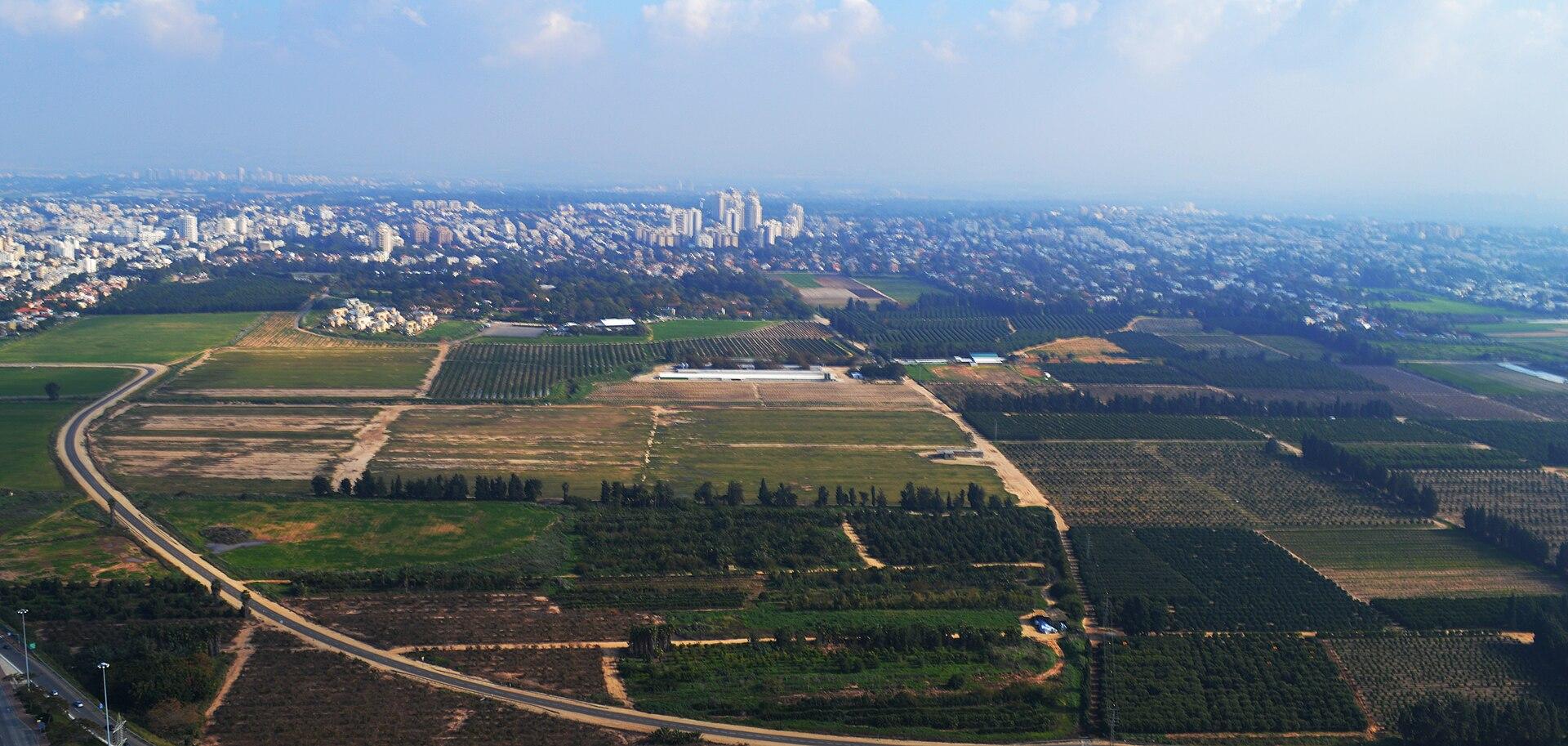
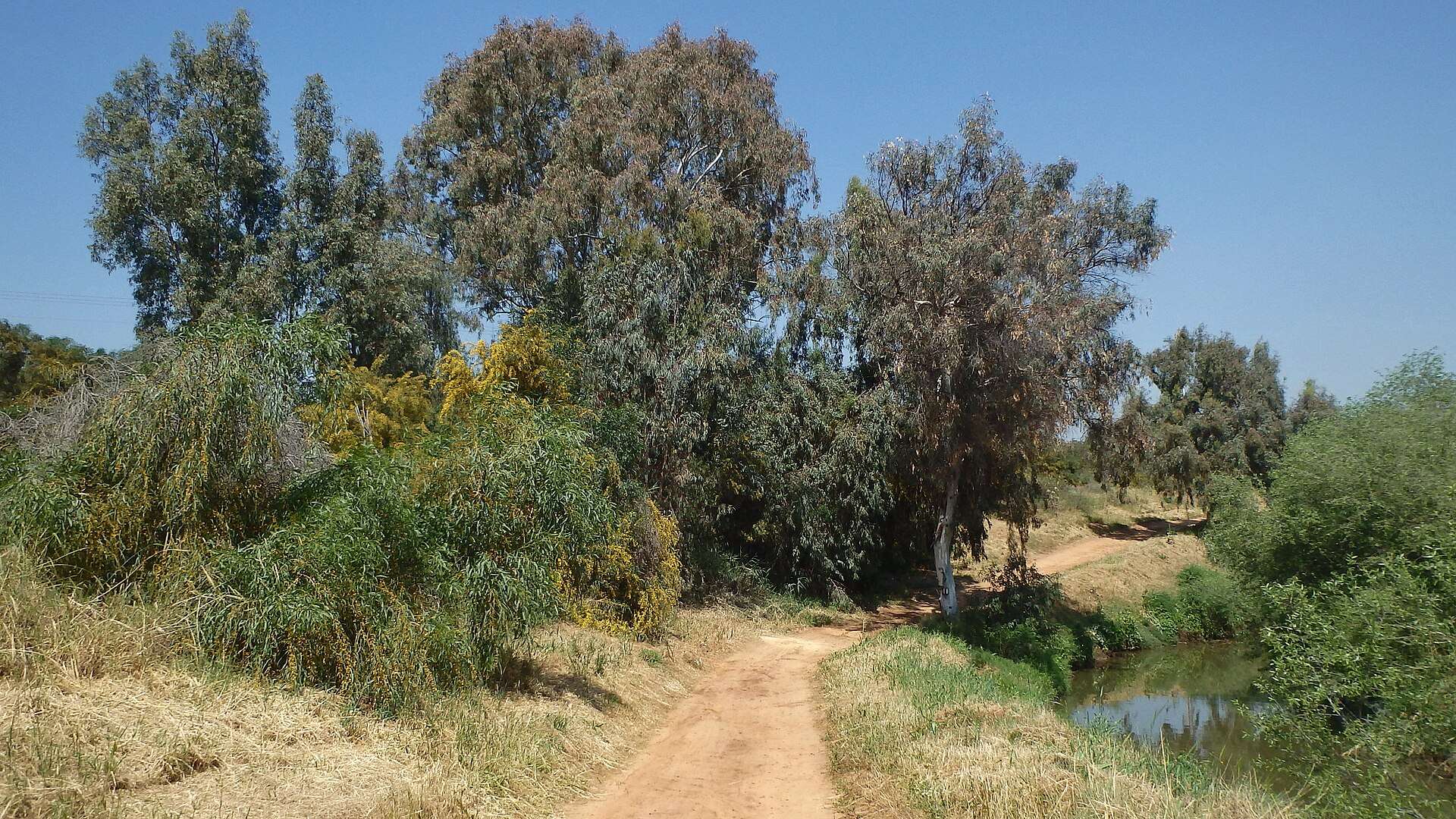
Photo: Amos Meron, CC BY-SA 3.0
Tel Aviv 10 km away · 3 homes available
What people love
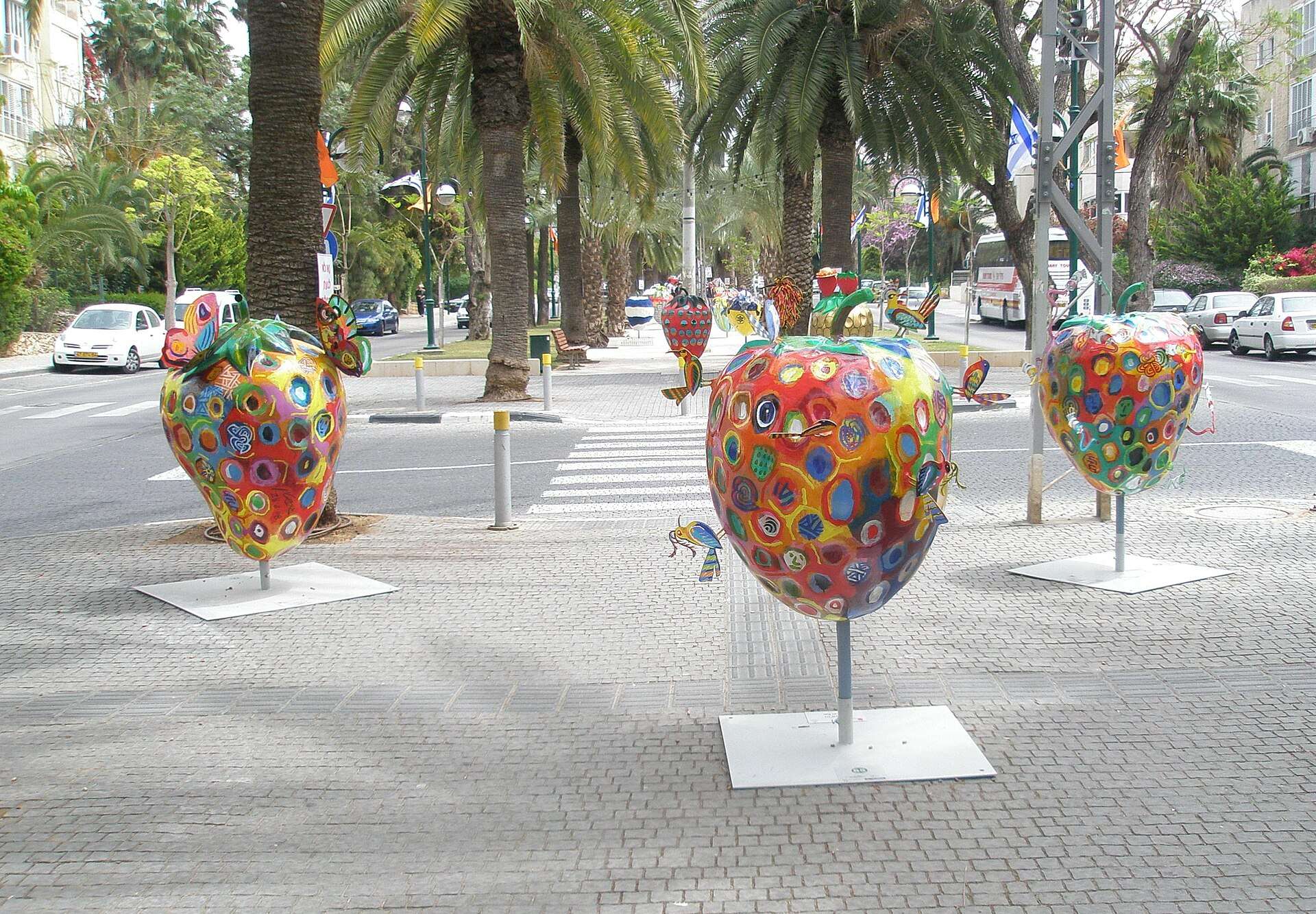
- About 40% open space, with fields and orchards: strawberry growing is still part of the city's identity.
- A city bordering Tel Aviv, to the north.
- The National Tennis Center: 24 lit courts and stands seating up to 4,500.
Possible drawbacks
- No train station: the coastal railway crosses the city without stopping. Two stations and two metro lines are planned.
- The military industry grounds (Ta'as), in the northeast, are slated for a major housing project after the factories leave. It has been delayed by soil decontamination, so check the timeline if you are buying nearby.
The city
Living in Ramat HaSharon at a glance
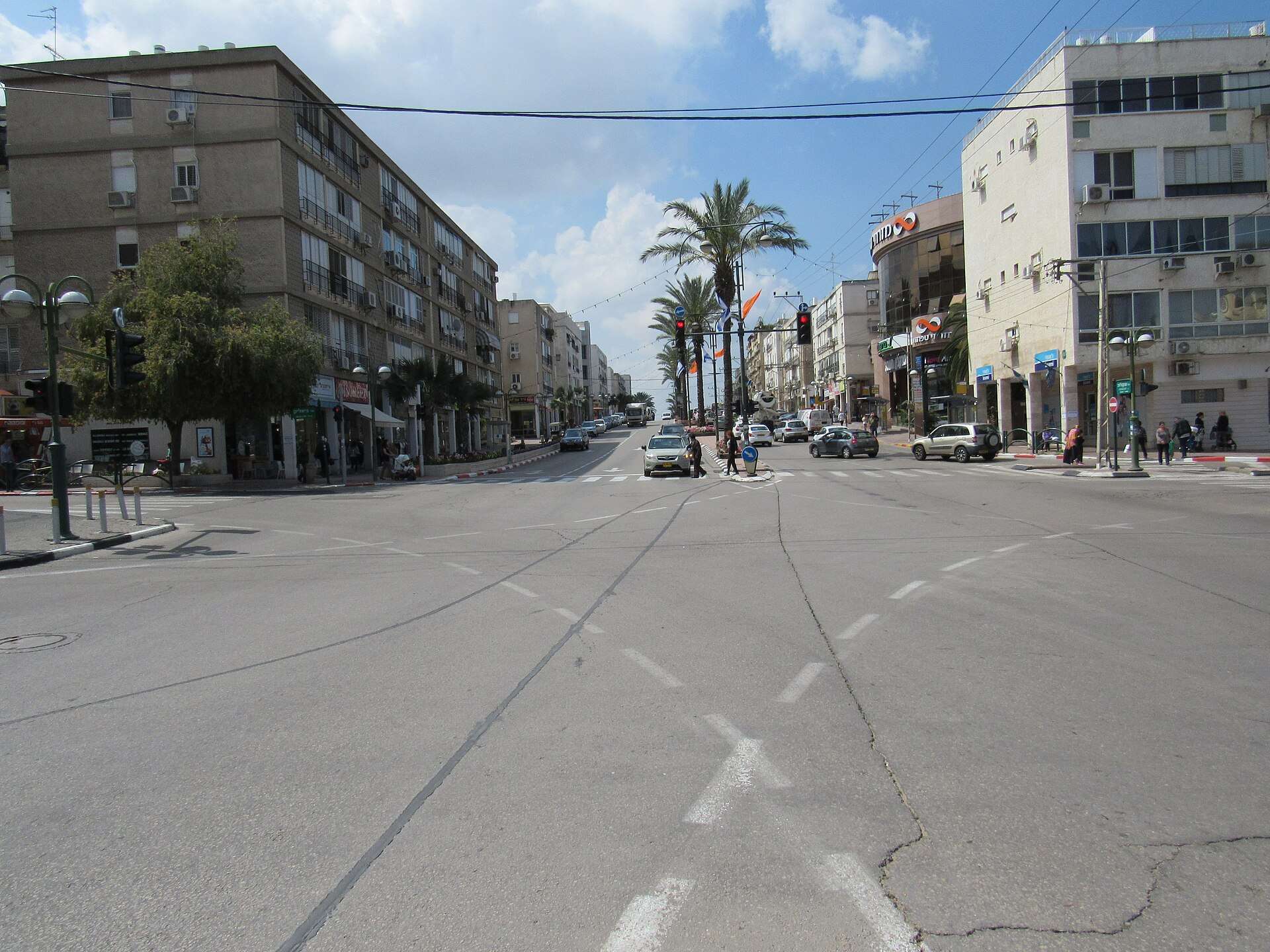
Ramat HaSharon is a small residential city in the southern Sharon, between Tel Aviv to the south and Herzliya to the north. Most homes are houses; apartment buildings are concentrated along the main streets, such as Sokolov and Ussishkin, in Hadar and in Morasha.
The city keeps about 40% open space, with fields and orchards. Since the early 2000s, it has been urbanizing, with new multi-story buildings.
Climate
The climate is Mediterranean. In July and August, afternoons reach 30 to 31 °C and nights 22 to 23 °C: air conditioning is essential.
Winter is mild, roughly between 10 and 16 °C in January. Average rainfall is about 530 mm per year, mostly from November to March. Spring and fall are the most pleasant seasons.
People and languages
Ramat HaSharon had about 49,000 residents in the 2022 census, with a median age of 40, compared with 30 for the country as a whole. It is an affluent city: in the 2022 census, the median annual salary of employees there was about 160,000 shekels, compared with 104,000 nationwide.
In the 2022 census, secular households were the most numerous. The city is twinned with Dunkerque and Saint-Maur-des-Fossés, but there is no reported organized French-speaking community: Hebrew is needed for administration, work and school.
Economy and jobs
An agricultural village until the 1960s, known for its strawberries and orange groves, Ramat HaSharon is now mainly residential. Israel Military Industries is based there, and small business areas are located southeast of Morasha and near Neve Magen.
Most residents work elsewhere: in the 2022 census, about 65% of workers were employed outside the city. With no train station, the commute to Tel Aviv is by car or bus: try it at rush hour.
Getting around
The coastal railway crosses the city, but without a station: two stations are planned, as well as two metro lines. Routes 2, 4, 5 and 20 surround the city; Sokolov Street (Route 482) is its main artery. Two bus lines run within the city, and regional buses leave from the Kadima terminal. From the center, by road and without traffic:
| Destination | Distance | By car |
|---|---|---|
| Tel Aviv | 10 km | ≈ 15 min |
| Ben Gurion Airport | 27 km | ≈ 30 min |
| Jerusalem | 72 km | ≈ 60 min |
| Haifa | 89 km | ≈ 75 min |
| Netanya | 27 km | ≈ 25 min |
| Herzliya | 3 km | ≈ 5 min |
| Raanana | 8 km | ≈ 10 min |
| Petah Tikva | 11 km | ≈ 15 min |
Theoretical travel times without traffic, calculated with OpenStreetMap on November 23, 2026: at rush hour, expect it to often take considerably longer. Tap a destination for the train or bus route with current schedules.
Daily life
Eating out, shopping, having fun
Restaurants and nightlife
Cafés and restaurants are mainly on Sokolov Street and Ussishkin Street, as well as in the large Glilot shopping complex. Check each establishment's kosher certification according to your standards.
Shopping
The two shopping streets are Sokolov and Ussishkin, which run parallel. Small neighborhood centers exist in Neve Magen, Neve Rasco and Kiryat Yearim. The largest complex is in Glilot, around a 31-screen Cinema City multiplex.
Sports and leisure
The National Tennis Center, founded in 1975, hosts major matches, including the Davis Cup. The city has a soccer club at Grundman Stadium and a women's basketball team among the best in the Israeli league. For walks: Neve Reim Park, the eucalyptus-lined Hadarim stream and the Afeka caves, in the Glilot ecological park. For culture: the geology museum and the Intelligence Heritage Center.
Healthcare, schools and settling in
The city has no general hospital: for routine care, make sure a clinic of your health fund is close to the home. The CBS lists 27 schools, including the Rothberg and Alon high schools; in 2023-2024, 87.9% of senior-year students qualified for the Israeli matriculation certificate (bagrut). The city is also home to the Rimon School of Jazz and a training institute for art teachers.
Neighborhoods
Where to look in Ramat HaSharon?
Three questions for a first shortlist. House or apartment? The west is mostly houses; the center and east, apartment buildings. Do you work in Tel Aviv? With no train station, look at access to Routes 5 and 20 and to bus lines. Do you want shops within walking distance? They are mainly on Sokolov and Ussishkin streets.
Centre-ville et Hadar
Core of the village founded in 1923
The old center and the Hadar neighborhood, around Sokolov and Ussishkin streets.
Daily life. The shops on the two main streets, Alon High School and Beit HaRishonim, the house of the first residents.
Good to know. Many buildings from the 1970s and 1980s: check the building's condition, the elevator and parking.
Housing. Mostly apartment buildings in Hadar, built in the 1970s and 1980s on former orchards, with a few houses; older buildings in the historic core.
Ouest : Kiryat Yearim, Golan, Neve Rom
1950s to 2000s
The western neighborhoods, made up mostly of single-family homes.
Daily life. Kiryat Yearim, the northernmost, has its own small shopping center. Golan, south of Weizmann Boulevard, expanded in the 2000s. Neve Rom, built for Air Force pilots, has no public facilities.
Good to know. Few shops and facilities in some areas: a car is often necessary.
Housing. Mostly single-family homes and villas.
Neve Magen et Neve Rasco
1950s and 1960s
Two neighborhoods of houses: Neve Magen, founded in 1954, and Neve Rasco, from the late 1960s.
Daily life. Neve Magen has Rothberg High School, Oranim Elementary School and a 1,200-seat sports hall; Neve Rasco has its own elementary school. Each has a small shopping center.
Good to know. A small business area borders Neve Magen.
Housing. Mostly single-family homes; a cluster of towers in the center of Neve Rasco.
Morasha
Since the 1950s
The eastern neighborhood, built for immigrants in the 1950s and expanded in the 1990s and 2000s.
Daily life. The Neve Reim area and its park, the Rimon music school, the Sharonit sports center with pools and a basketball arena.
Good to know. An industrial zone lies southeast of the neighborhood, and the military industry grounds are to the east: ask about planned projects.
Housing. Apartment buildings and single-family homes.
Neve Gan
An enclave in the south, separated from the rest of the city by a cemetery and fields, on the edge of Tel Aviv.
Daily life. A former village annexed to the city in the early 1950s, the neighborhood borders northern Tel Aviv. Towers have been built there since 2005.
Good to know. No shopping center in the neighborhood.
Housing. Originally houses; tower apartments since 2005.
The listings counted are those whose advertiser specified the neighborhood; others remain visible across the whole city.
Housing
What budget, what kind of home?
In Ramat HaSharon, the type of home affects the price as much as the size: a house with a garden in the west and an apartment in the east call for very different budgets. The Central Bureau of Statistics does not publish an average rent for the city; today's listings show the real current price.
Since the 1990s, every new home must have its own safe room (mamad). In an older building, check during the visit that there is a mamad or a shared shelter: it is a real plus for everyday comfort.
| Size | Purchase | Rent / month |
|---|---|---|
| 1 to 2 rooms | Too few sales | Information not available |
| 2.5 to 3 rooms | Too few sales | Information not available |
| 3.5 to 4 rooms | Too few sales | Information not available |
| 4.5 rooms or more | Too few sales | Information not available |
. For 4.5 rooms or more, the average purchase price shown is for 4.5 to 5 rooms. Euros at the Bank of Israel rate of November 27, 2026, for guidance only.
Today in Ramat HaSharon: 0 property for sale, 0 rental and 3 new developments. By purchase budget:
Planning a move to Ramat HaSharon?
Describe what you're looking for: our French-speaking team will get back to you and also search beyond the listings. Free, with no commitment.
Figures come from official or identified sources and from listings published on Alloj Immobilier; when information is missing, we say so rather than estimate it. The advice is from our editorial team. Page updated November 27, 2026. Sources and credits